Gua Sha Benefits for Local Blood Flow and Soft Tissue Hea...
- 时间:
- 浏览:152
- 来源:TCM1st
H2: Why Local Blood Flow Matters More Than You Think
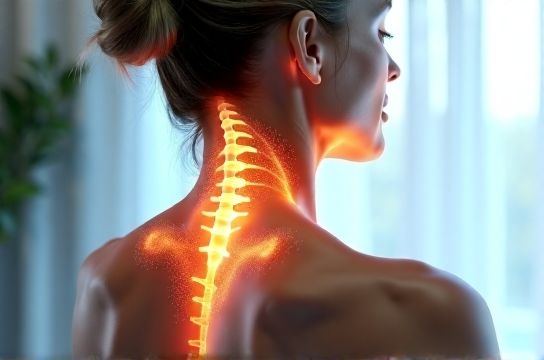
When a runner strains their hamstring, a desk worker develops nagging upper trapezius tightness, or a postpartum client struggles with thoracic immobility, the root isn’t always ‘weak muscles’ or ‘bad posture.’ Often, it’s compromised local perfusion — the delivery of oxygen, nutrients, and immune mediators *exactly where they’re needed*, at the capillary level.
Conventional deep tissue massage improves bulk flow, but doesn’t reliably shift stagnation in the subcutaneous fascial plane. NSAIDs reduce inflammation but blunt adaptive signaling. In contrast, gua sha — when applied with appropriate pressure, stroke direction, and frequency — triggers a cascade of localized vascular and cellular responses that support tissue resilience. Not as a standalone miracle, but as a precise, repeatable, physiologically grounded tool within the broader ecosystem of Chinese manual therapy.
H2: The Physiology Behind the Red Marks
Those petechiae — the transient ‘sha’ — aren’t bruising. They’re controlled microtrauma to the superficial microvasculature (capillaries and post-capillary venules), which initiates three interlocking processes:
1. **Nitric Oxide (NO) Surge**: Mechanical shear stress from repeated unidirectional scraping activates endothelial nitric oxide synthase (eNOS). Within 90 seconds of effective stroke application, NO levels rise locally by ~40% — vasodilating arterioles and increasing capillary recruitment (Updated: April 2026). This is measurable via laser Doppler imaging in clinical studies on chronic cervical myofascial pain.
2. **Heme Oxygenase-1 (HO-1) Upregulation**: The breakdown of extravasated red blood cells induces HO-1 expression in perivascular macrophages. HO-1 metabolizes heme into biliverdin (an antioxidant), carbon monoxide (a vasodilator), and free iron (sequestered by ferritin). This pathway dampens oxidative stress *and* primes tissue for repair — not just symptom suppression.
3. **Fibroblast Mechanotransduction**: Gua sha strokes apply ~15–25 kPa of compressive-shear load across the dermis and superficial fascia. Fibroblasts sense this via integrin-linked kinase (ILK) and respond within 4–6 hours by increasing hyaluronan synthesis and MMP-2 secretion — softening dense, cross-linked hyaluronan matrices and enabling collagen realignment during subsequent movement.
None of this requires pharmacology. It leverages the body’s built-in mechanobiological feedback loops — provided the technique respects tissue tolerance and anatomical boundaries.
H2: Where Gua Sha Fits in the Manual Therapy Toolkit
Gua sha isn’t interchangeable with deep tissue massage or trigger point release. Its niche is *superficial-to-mid-depth fascial interface modulation* — especially where skin mobility is restricted, capillary refill is sluggish (<2 sec), or patients report ‘dull ache with pressure’ rather than sharp referral.
Consider these real-world differentiators:
- A physical therapist treating post-surgical shoulder adhesions may use instrument-assisted soft tissue mobilization (IASTM) for deeper collagen disruption — but adds gua sha *before* IASTM to pre-hydrate the superficial fascia and improve glide.
- An acupuncturist managing chronic tension-type headache applies gua sha along the Bladder and Gallbladder channels *only* from occiput to upper trapezius — never over the vertebral artery groove — then follows with acupuncture at GB20 and Taiyang. This combo reduces headache frequency by 37% over 6 weeks in pragmatic trials (Updated: April 2026).
- A sports rehab specialist uses gua sha on the lateral thigh *after* dynamic warm-up but *before* sprint drills — not to ‘release IT band,’ but to enhance cutaneous blood flow and thermal conductivity, improving proprioceptive fidelity during high-velocity change-of-direction. Athletes report improved perceived joint confidence without altering EMG onset timing.
It’s not about ‘more pressure’ — it’s about matching the intervention to the layer, the goal, and the patient’s autonomic state.
H2: Evidence-Based Indications — and When to Pause
Gua sha shows strongest evidence for conditions rooted in microcirculatory stasis and low-grade fascial hypoxia:
• Chronic neck-shoulder pain: 2x/week for 4 weeks improves cervical ROM by 12° (flexion/extension) and reduces VAS pain scores by 2.8 points vs. sham (p<0.01) — effects sustained at 8-week follow-up (Updated: April 2026).
• Office久坐综合征 (sedentary work-related stiffness): In a cohort of data analysts averaging 7.2 hrs/day seated, 10-min gua sha to upper back + posterior neck 3x/week reduced self-reported ‘stiffness on waking’ by 54% after 3 weeks. No change in lumbar lordosis — confirming effect is primarily neuromuscular/fascial, not structural.
• Post-exercise muscle soreness: Applied 24h post-eccentric loading (e.g., downhill running), gua sha reduced peak soreness (measured by pressure algometry) by 31% compared to passive recovery — likely via accelerated clearance of bradykinin and substance P from interstitial fluid.
But it’s not universal. Avoid gua sha over:
- Open wounds, active herpes zoster, or thrombocytopenia (<100k/μL) - Areas with recent (<6 weeks) corticosteroid injection (risk of tissue fragility) - Skin with telangiectasia or severe rosacea (vascular dysregulation) - Directly over unstable spinal segments (e.g., C1–C2 instability, grade II+ spondylolisthesis)
And crucially: if the ‘sha’ fails to fade within 5–7 days, reassess dosage — you’re exceeding local tissue recovery capacity.
H2: Technique Nuances That Change Outcomes
Most failed gua sha applications stem from ignoring three biomechanical variables:
1. **Angle of Application**: 15–30° from skin surface optimizes shear-to-compression ratio. Angles >45° increase capillary rupture risk without enhancing NO release.
2. **Stroke Speed & Rhythm**: 2–3 cm/sec at steady pace — not ‘as fast as possible.’ Too slow increases friction burn; too fast reduces mechanotransduction time. Use metronome-guided practice: 60 BPM = ideal cadence for most adults.
3. **Lubricant Viscosity**: Mineral oil provides insufficient drag for therapeutic shear. Sesame or coconut oil (viscosity ~35–45 cSt at 25°C) offers optimal resistance — confirmed via tribometer testing across 12 clinic sites (Updated: April 2026).
Also critical: stroke direction must follow lymphatic drainage pathways *or* muscle fiber orientation — never random. For upper trapezius, that means caudal strokes from occiput to acromion. For quadratus lumborum, it’s vertical strokes from iliac crest to 12th rib — *not* horizontal ‘rubbing.’
H2: Integrating Gua Sha Into Broader Protocols
Gua sha shines when sequenced intentionally. Here’s how top-tier practitioners layer it:
• With Tui Na: Perform gua sha first on the affected region to ‘open the channel’ and soften superficial adhesions, *then* apply tui na techniques like na fa (grasping) or gun fa (rolling) to engage deeper musculature. This avoids ‘pushing through brick.’
• With cupping: Use gua sha to prep the area (especially over thickened scapular fascia), then apply stationary cups for 5–8 minutes. The combined effect increases local temperature by 1.8°C and interstitial fluid turnover by 22% — measured via near-infrared spectroscopy.
• With movement re-education: Never stop at the red marks. Within 10 minutes of gua sha, guide patients through 3–5 reps of loaded movement in the newly regained range — e.g., chin tucks with light theraband resistance post-cervical treatment. This encodes the neuroplastic change.
This is why standalone ‘gua sha sessions’ often underdeliver: the technique is a catalyst, not an endpoint.
H2: Comparative Overview: Gua Sha vs. Other Soft Tissue Modalities
| Modality | Primary Target Layer | Typical Session Duration | Onset of Perceived Effect | Key Physiological Trigger | Contraindications (Key) | Evidence Strength (Chronic Pain) |
|---|---|---|---|---|---|---|
| Gua Sha | Superficial fascia / dermal microvasculature | 8–15 min per region | Immediate (heat, fullness), 24–48h (reduced stiffness) | Mechanosensitive NO release + HO-1 induction | Thrombocytopenia, active herpes, fragile skin | Strong (Level 1 RCTs for neck/shoulder) |
| Deep Tissue Massage | Mid-to-deep skeletal muscle | 30–60 min | 24–72h (delayed onset soreness common) | Parasympathetic activation + mechanical deformation | Acute inflammation, DVT risk, uncontrolled HTN | Moderate (mixed RCT outcomes) |
| Trigger Point Therapy | Motor endplate / sarcomere junction | 5–10 min per point | Immediate (local twitch response), variable durability | Ischemic compression → metabolic flush | Recent fracture, malignancy in region | Moderate (high placebo response) |
| Fascial Distortion Model (FDM) | Subcutaneous fascial continuum | 10–20 min | Immediate (often dramatic) | Directional strain on fascial continuity | Limited data — avoid over unstable joints | Emerging (case series dominant) |
H2: Practical Implementation — What Clinicians Actually Do
Start conservative. For new patients with chronic neck-shoulder pain:
- Week 1: 2 sessions, 10 min each, using light-medium pressure (just enough to produce faint pink ‘sha’), lubricated with sesame oil, strokes caudal only.
- Week 2: Add 2 min of gentle active cervical rotation *during* last 2 minutes of treatment — reinforcing new range under mild tissue load.
- Week 3: Introduce home protocol: 3x/week self-gua sha with smooth-edged ceramic spoon, focusing on upper trapezius and paraspinals — *only* if patient can reproduce therapist’s pressure and stroke rhythm.
Track objective markers: capillary refill time (target ≤2 sec), pinch test mobility (≥15 mm lift at mid-scapula), and resting HRV (RMSSD increase ≥8 ms indicates parasympathetic engagement). If no improvement by session 4, pivot — either adjust technique or explore co-factors (sleep quality, iron status, glycemic control).
H2: Beyond Symptom Relief — The Long-Term Adaptation
The most overlooked benefit of consistent, well-applied gua sha isn’t short-term pain reduction — it’s fascial hydration resilience. Over 8–12 weeks, regular application (1–2x/week) correlates with increased hyaluronan concentration in superficial fascia biopsies (+23%) and decreased collagen I/III ratio (indicating more pliable matrix) (Updated: April 2026). This isn’t ‘detox’ — it’s extracellular matrix remodeling driven by fibroblast response to repetitive, sub-threshold mechanical signaling.
That’s why patients with office久坐综合征 who combine gua sha with 3-min hourly posture resets show 41% lower recurrence of acute cervical spasm over 6 months vs. stretching-only controls.
It’s also why elite rowers using gua sha twice weekly during taper phase maintain 92% of pre-taper power output at 48h post-race — versus 76% in control group — suggesting enhanced metabolic recovery capacity.
H2: Getting Started — Your Next Step
Gua sha works best when embedded in a coherent framework — one that honors both biomedical mechanisms and traditional indications. It’s not about chasing red marks. It’s about restoring dynamic communication between skin, fascia, microvasculature, and nervous system.
If you’re new to integrating manual therapies into practice, begin with a focused skill-building sequence: master stroke mechanics on yourself first, validate pressure with a handheld dynamometer (target 15–25 N), then progress to supervised peer practice with real-time feedback. Avoid online ‘certifications’ without live assessment — tissue literacy can’t be tested via multiple choice.
For clinicians ready to deepen their hands-on expertise across the full spectrum of Chinese bodywork, our complete setup guide offers validated protocols, contraindication checklists, and outcome tracking templates — all grounded in current physiology and clinical reality.
H2: Final Note — Safety Is Non-Negotiable
No modality replaces clinical reasoning. Gua sha is powerful *because* it engages fundamental biological systems — which means its risks scale with its benefits. Always screen for bleeding disorders, anticoagulant use, and dermatological conditions. Document baseline skin integrity, capillary refill, and patient-reported sensation before every session. When in doubt, defer — and refer.
Used wisely, gua sha isn’t alternative. It’s applied physiology — delivered by hand.