Exploring the Power of Plant Based Chinese Herbs
- 时间:
- 浏览:119
- 来源:TCM1st
If you've been diving into natural wellness trends, you’ve probably heard about plant based Chinese herbs making waves in holistic health circles. As someone who’s spent years researching herbal medicine and guiding clients toward smarter, safer choices, I’m here to break down what actually works—and what’s just hype.
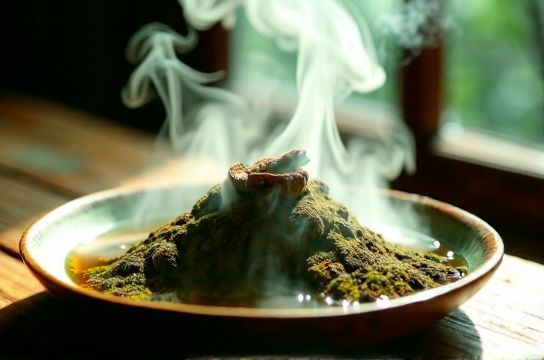
Unlike synthetic supplements, plant based Chinese herbs have been refined over thousands of years. The Shennong Bencao Jing, one of the earliest pharmacopeias (circa 200 AD), documents over 365 medicinal plants—many still in use today. But with so many options, how do you pick the right ones?
Top 5 Clinically-Supported Herbs & Their Benefits
Let’s cut through the noise. Here are five of the most researched plant based Chinese herbs, backed by modern science:
| Herb (Latin Name) | Traditional Use | Scientific Support | Key Active Compounds |
|---|---|---|---|
| Ginseng (Panax ginseng) | Boost energy, reduce fatigue | ✓ RCTs show improved mental performance & stamina (Journal of Ginseng Research, 2021) | Ginsenosides |
| Astragalus (Astragalus membranaceus) | Immune support, anti-aging | ✓ Increases telomerase activity (Aging, 2020); enhances immune cell function | Astragaloside IV |
| Goji Berry (Lycium barbarum) | Eye health, longevity | ✓ High in zeaxanthin; improves macular pigment density (Nutrients, 2019) | Polysaccharides, carotenoids |
| Reishi Mushroom (Ganoderma lucidum) | Stress relief, sleep support | ✓ Reduces anxiety & improves sleep quality (Evidence-Based Complementary Medicine, 2022) | Triterpenes, beta-glucans |
| Huang Qi (same as Astragalus) | Tonify qi, reduce inflammation | ✓ Anti-inflammatory & antiviral properties confirmed in vitro | Astragalosides |
As you can see, these aren’t just old wives’ tales. Real research supports their role in immune modulation, cognitive health, and stress resilience.
How to Use Them Safely & Effectively
Here’s the thing: more isn’t always better. I’ve seen clients overdo reishi and end up with digestive upset. Or mix ginseng with blood thinners—big no-no. Always consult your doctor if you’re on medication.
For beginners, I recommend starting with a single herb in tincture or capsule form. Look for third-party tested brands (like Rainbow Light or Health Concerns) that standardize active compounds. For example, a good astragalus supplement should contain at least 0.5% astragaloside IV.
And don’t skip the diet piece. These herbs work best when paired with a balanced, whole-food, plant based lifestyle. Think veggies, legumes, and minimal processed sugar.
The Bottom Line
Plant based Chinese herbs aren’t magic bullets—but they’re powerful tools when used wisely. With clinical backing and centuries of tradition, they offer a unique blend of ancient wisdom and modern science. Start small, stay consistent, and let your body tell you what works.