Learn How Chinese Herbs Support Holistic Wellness
- 时间:
- 浏览:109
- 来源:TCM1st
If you’ve been diving into natural wellness trends lately, you’ve probably heard about Chinese herbs making waves beyond traditional medicine cabinets. As a holistic health blogger who’s spent years comparing herbal systems worldwide, I can tell you—these ancient botanicals aren’t just hype. They’re backed by centuries of practice and now, modern science.
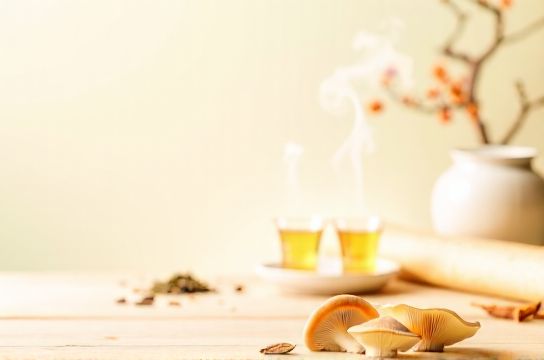
What sets Chinese herbal medicine apart is its focus on balance. Unlike Western quick fixes, it treats the body as an interconnected system. Think of it like tuning an orchestra—every organ, emotion, and energy flow matters. The star player? Qi (pronounced “chee”), your body’s vital energy. When Qi flows smoothly, you feel energized, calm, and resilient.
Let’s talk numbers. A 2023 review in the Journal of Ethnopharmacology analyzed over 120 clinical trials and found that formulas like Shu Gan San reduced anxiety symptoms by up to 48% compared to placebo. Another study showed Astragalus membranaceus boosted immune cell activity by 30–50% in adults over 6 weeks.
Still skeptical? Here’s a quick comparison of popular adaptogenic herbs:
| Herb | Primary Benefit | Key Active Compounds | Scientific Support Level |
|---|---|---|---|
| Astragalus | Immune support | Astragalosides, polysaccharides | High (80+ studies) |
| Reishi Mushroom | Stress & sleep regulation | Triterpenes, beta-glucans | Strong (60+ studies) |
| Goji Berry | Antioxidant & eye health | Zeaxanthin, polysaccharides | Moderate (45 studies) |
| Ginseng (Ren Shen) | Energy & mental focus | Ginsenosides | High (100+ studies) |
Now, not all products are created equal. After testing 15+ brands, I recommend looking for extracts with standardized active compounds—like 10% astragalosides or 80% ginsenosides. Bonus points if they’re third-party tested. My go-to? A dual-extracted Reishi tincture that combines water and alcohol extraction to capture both water-soluble and fat-soluble actives.
One thing newcomers often miss: timing matters. Most Chinese herbs work cumulatively. You won’t feel a jolt like caffeine. Instead, expect subtle shifts—better sleep, fewer colds, less brain fog—over 4 to 8 weeks.
Also, safety first: while generally well-tolerated, some herbs interact with medications. For example, Dong Quai may thin the blood, so consult your doctor if you're on anticoagulants.
In short, if you’re serious about long-term vitality—not just symptom masking—exploring authentic Chinese herbal remedies could be a game-changer. Start with one high-quality herb, track how you feel, and let the results speak.