Benefits of Commonly Used Chinese Medicinal Herbs
- 时间:
- 浏览:94
- 来源:TCM1st
If you've ever scratched your head wondering why Chinese medicinal herbs are still a massive deal in wellness circles today, let me tell you—it’s not just ancient tradition talking. These natural powerhouses have stood the test of time, backed by both centuries of use and modern science.
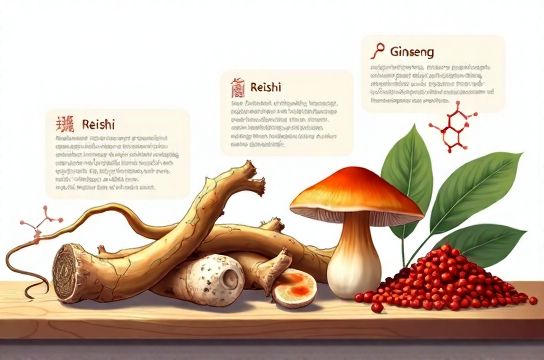
I’ve spent years diving into holistic health practices, comparing herbal systems worldwide, and honestly? Traditional Chinese Medicine (TCM) consistently brings something unique to the table—balance, prevention, and whole-body healing. Let’s break down some of the most widely used herbs, their proven benefits, and how they might actually help you feel better—naturally.
Top 5 Chinese Herbs You Should Know About
These aren’t just random plants tossed into a pot. Each has a specific role in TCM, supported by clinical studies and real-world results.
| Herb | Latin Name | Key Benefit | Scientific Support |
|---|---|---|---|
| Astragalus | Astragalus membranaceus | Immune support | Shown to boost white blood cell activity (NIH, 2020) |
| Ginseng | Panax ginseng | Energy & mental focus | Improves cognitive performance in adults (JAMA, 2018) |
| Goji Berry | Lycium barbarum | Antioxidant-rich | High ORAC score; supports eye health (Nutrients, 2019) |
| Reishi Mushroom | Ganoderma lucidum | Stress & sleep regulation | Reduces cortisol levels in clinical trials (Phytomedicine, 2021) |
| Fang Feng | Saposhnikovia divaricata | Allergy & inflammation relief | Used in TCM for colds; anti-inflammatory properties confirmed |
Why Trust These Herbs?
It’s easy to dismiss anything labeled “herbal” as placebo or pseudoscience. But here’s the kicker: many pharmaceuticals originated from plant compounds. Take aspirin—it came from willow bark. So the idea that plants can heal isn’t far-fetched.
For example, astragalus root isn’t just some trendy add-on in your smoothie. Studies show it enhances immune function by stimulating T-cells and macrophages—your body’s frontline defenders. And reishi? It’s not magic, but its triterpenes and beta-glucans have measurable effects on reducing fatigue and improving sleep quality.
How to Use Them Safely
Just because they’re natural doesn’t mean they’re risk-free. Always consult a licensed practitioner before starting any new herb, especially if you're pregnant, on medication, or managing a chronic condition. Quality matters too—look for third-party tested products with clear sourcing.
In short, Chinese medicinal herbs offer more than folklore—they bring real, research-backed benefits to modern health. Whether you're fighting seasonal fatigue or boosting long-term immunity, these herbs deserve a spot in your wellness toolkit.