Simple Guide to Identifying Real Chinese Medicinal Herbs
- 时间:
- 浏览:120
- 来源:TCM1st
Let’s be real — with the boom in natural health trends, everyone and their grandma is selling ‘authentic’ Chinese medicinal herbs online. But here’s the tea: up to 60% of herbal products on global e-commerce platforms fail purity tests, according to a 2023 report by the World Health Organization. So how do you spot the real deal? As someone who’s spent over a decade sourcing herbs from TCM (Traditional Chinese Medicine) markets across China, I’ve seen it all — from perfectly dried Ganoderma lucidum to sketchy 'goji berries' that are just dyed raisins. Let me break it down for you.
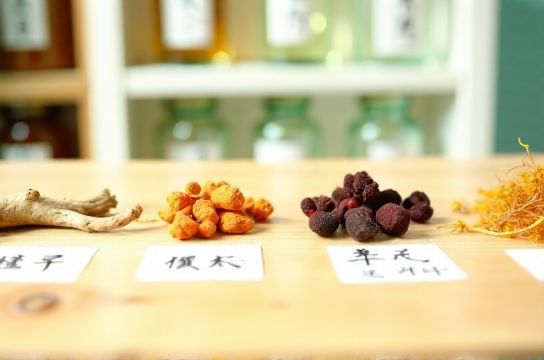
Look Beyond the Label: Key Signs of Authentic Herbs
Real Chinese medicinal herbs aren’t always pretty. They’re often irregular in shape, slightly bitter in taste, and carry a distinct earthy aroma. If your ‘astragalus root’ looks like factory-cut plastic sticks? Red flag.
- Color & Texture: Natural variation is normal. Uniform color often means chemical processing.
- Smell: Should smell earthy, not sweet or perfume-like (a sign of masking low-quality material).
- Taste Test: Many real herbs have a bitter or pungent kick — if it tastes like nothing, it might be filler.
Top 5 Commonly Faked Herbs + How to Spot Them
Here’s a quick reference table based on data from China’s National Medical Products Administration (NMPA) testing in 2022–2023:
| Herb (Pinyin) | Fake Version | Authentic Traits | Adulteration Rate |
|---|---|---|---|
| Rou Cong Rong | Stem fillers or paper rolls | Dense woolly surface, yellow-brown core | 42% |
| Gou Qi Zi (Goji) | Dried cherries or raisins with dye | Slightly chewy, mild sweetness, no shiny coating | 38% |
| Dang Shen | Cheap root starches | Bitter-sweet taste, fibrous when broken | 31% |
| Ling Zhi (Ganoderma) | Pressed sawdust blocks | Hard texture, woody smell, uneven cap | 29% |
| Huang Qi (Astragalus) | Bleached tuber slices | Yellow-white cross-section, slightly sweet taste | 26% |
Yep, nearly half of Rou Cong Rong samples were fake. That’s wild.
Trust but Verify: Lab Testing & Certification
The best way to ensure authenticity? Look for third-party lab results. Reputable suppliers now provide QR codes linking to HPLC (High-Performance Liquid Chromatography) reports. No test data? Hard pass.
Also, check for GAP (Good Agricultural Practice) certification from China’s NMPA. It means the herb was grown, harvested, and processed under strict guidelines. Only about 15% of exporters meet this standard — so it’s a solid differentiator.
Where to Buy With Confidence
Forget Amazon or random Etsy shops. Stick to trusted sources like state-approved suppliers (e.g., Tong Ren Tang) or verified exporters with physical addresses in provinces like Anhui or Yunnan — major TCM cultivation hubs.
If you're serious about quality, consider visiting Chinese medicinal herb markets in person — Bozhou in Anhui is known as the 'herbal capital' and hosts an annual trade fair where you can meet growers directly.
The Bottom Line
Don’t let the mystique fool you — identifying real Chinese medicinal herbs comes down to common sense and a little homework. Smell it, taste it, research the supplier, and demand proof. Your body deserves the real thing, not a cleverly packaged imposter.