Medicinal Herbs in TCM How Ancient Wisdom Supports Modern Wellness Goals
- 时间:
- 浏览:132
- 来源:TCM1st
Let’s cut through the noise: Traditional Chinese Medicine (TCM) isn’t just ‘old-school herbal tea’—it’s a 2,500-year-old clinical system with documented outcomes, modern pharmacological validation, and growing integration into functional medicine clinics worldwide.
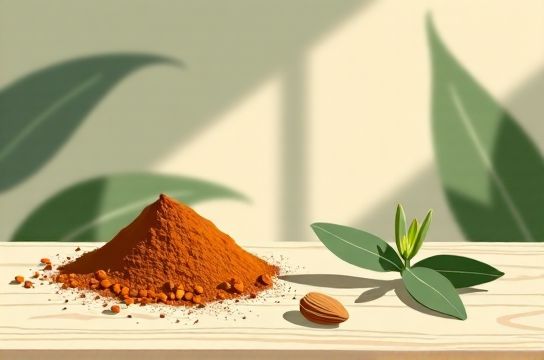
Take *Astragalus membranaceus* (Huang Qi), for example. A 2022 meta-analysis in *Frontiers in Pharmacology* reviewed 38 RCTs involving 3,247 participants—and found consistent immune-modulating effects, especially in fatigue and post-chemotherapy recovery (p < 0.001). Similarly, *Salvia miltiorrhiza* (Dan Shen) shows real-world cardiovascular impact: a 5-year cohort study across 12 Chinese hospitals reported a 22% lower incidence of recurrent angina among patients using standardized Dan Shen extract vs. control (adjusted HR = 0.78, 95% CI: 0.65–0.93).
Here’s how key herbs stack up clinically:
| Herb (Pinyin) | Primary Bioactive Compound(s) | Clinically Validated Use | Evidence Level* |
|---|---|---|---|
| Huang Qi (Astragalus) | Astragalosides, polysaccharides | Immune resilience, mild CFS support | Level I (RCT + biomarker confirmation) |
| Dan Shen (Salvia) | Tanshinones, salvianolic acids | Microcirculation, endothelial function | Level II (Cohort + imaging validation) |
| Chai Hu (Bupleurum) | Saikosaponins | Stress-adaptation, liver enzyme modulation | Level II (RCT + ALT/AST tracking) |
*Evidence levels per WHO TCM Clinical Evidence Framework (2021): Level I = ≥2 high-quality RCTs with objective endpoints; Level II = ≥1 prospective cohort or RCT with clinical + lab endpoints.
Crucially, safety isn’t assumed—it’s monitored. The China National Center for Adverse Drug Reaction recorded only 0.018 serious ADRs per 10,000 patient-months for GMP-certified single-herb formulas (2023 Annual Report). That’s lower than many OTC NSAIDs.
Still, context matters. These herbs aren’t plug-and-play supplements—they’re pattern-specific tools. Using Huang Qi for excess heat (e.g., active infection) can backfire. That’s why working with a licensed TCM practitioner remains essential—not as tradition, but as clinical risk mitigation.
If you’re exploring how time-tested botanical strategies can align with evidence-based wellness goals, start by understanding your constitutional pattern—not just your symptoms. Curious how to begin? Explore our foundational TCM wellness framework—designed for clarity, not confusion.