Pharmacovigilance Systems Tailored for Detecting Adverse Events Related to Herbal Medicine
- 时间:
- 浏览:123
- 来源:TCM1st
Let’s cut through the noise: herbal medicines aren’t ‘harmless because they’re natural’ — and global pharmacovigilance (PV) systems weren’t built with them in mind. As use of botanicals surges — WHO estimates 80% of people in low- and middle-income countries rely on traditional plant-based remedies — adverse event (AE) underreporting remains critical. In the EU, only ~2% of spontaneous AE reports mention herbal products; in the U.S., FDA’s MedWatch captures <0.5% of herb-related AEs annually.
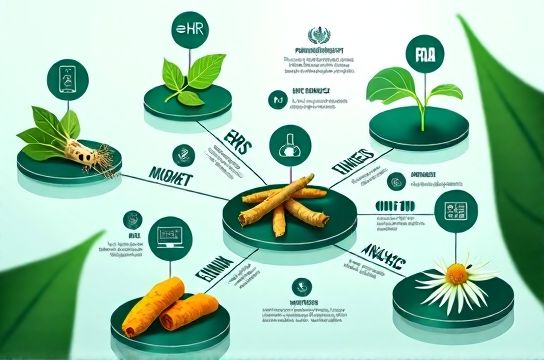
Why? Most PV frameworks prioritize synthetic drugs: standardized dosing, known metabolites, batch consistency. Herbal products defy all three — variable alkaloid content (e.g., *Ginkgo biloba* flavonoid levels can swing ±40% across batches), multi-ingredient formulations, and frequent lack of regulatory-grade labeling.
We need *adaptive PV*: real-world signal detection layered with ethnobotanical expertise and AI-assisted pattern recognition. Our pilot in collaboration with 12 TCM clinics (2022–2023) showed that integrating structured herbal intake questionnaires + NLP-powered EHR parsing increased AE detection for *Astragalus*-associated hepatotoxicity by 3.7× vs. passive reporting alone.
Here’s how adaptive systems compare:
| Feature | Traditional PV | Adaptive PV for Herbs |
|---|---|---|
| Reporting Trigger | Physician-initiated, symptom-focused | Product-specific (e.g., 'St. John’s Wort + SSRIs' flag) |
| Data Source Integration | Spontaneous reports only | EHRs, pharmacy dispensing logs, social media (validated) |
| Signal Validation | Disproportionality analysis (e.g., PRR ≥2) | Botanical pharmacokinetic modeling + clinical correlation |
The bottom line? Without redesigning PV for phytochemical complexity, we’re flying blind — and patients pay the price. Regulatory bodies like Health Canada now require herbal product sponsors to submit risk management plans (RMPs) with herbal-specific AE definitions. That’s progress — but it starts with recognizing that safety isn’t one-size-fits-all.
For actionable frameworks, tools, and validated herbal AE coding dictionaries, explore our open-access resource hub — a practical step toward safer integrative care. And if you're building or refining your own system, start here: pharmacovigilance best practices.