TCM Basics Every Beginner Should Know Before Starting Practice
- 时间:
- 浏览:103
- 来源:TCM1st
Hey there, future TCM enthusiast! 👋 Whether you’re a wellness newbie, a yoga teacher adding holistic tools to your toolkit, or a health coach comparing modalities for clients — welcome. Let’s cut through the fog of ancient-sounding jargon and get *real* about Traditional Chinese Medicine (TCM) basics — backed by clinical insight, WHO recognition, and over 2,000 years of documented practice.
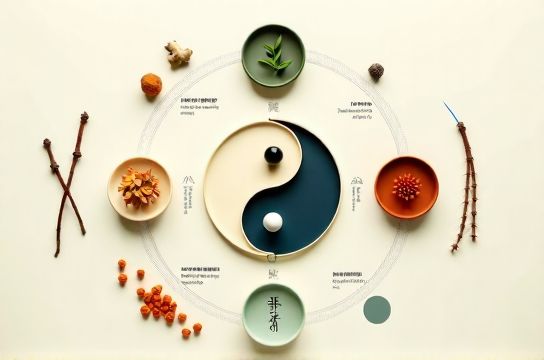
First things first: TCM isn’t ‘magic’ — it’s a *systematic, evidence-informed framework*. The World Health Organization officially included TCM diagnoses in the ICD-11 (2019), and a 2023 Cochrane review found moderate-quality evidence supporting acupuncture for chronic low back pain and migraine prevention.
Here’s what every beginner *must* grasp before booking that first herbal consult or trying gua sha at home:
✅ **Qi ≠ 'Energy' (in the New Age sense)** — It’s better understood as *functional vitality*: the measurable physiological coordination of respiration, circulation, digestion, and immunity. Think of it like your body’s operating system — smooth updates = health; crashes = disharmony.
✅ **Yin & Yang aren’t opposites — they’re interdependent rhythms.** Day doesn’t ‘beat’ night — they cycle. Same with rest/digest (yin) vs. activity/stress response (yang). Imbalance shows up clinically — e.g., insomnia + afternoon fatigue often signals *yin deficiency*, not just ‘stress’.
✅ **The Five Phases (Wu Xing)** — Wood, Fire, Earth, Metal, Water — map organ systems *and* emotional patterns. Liver (Wood) governs planning & anger; Spleen (Earth) governs thinking & worry. Not metaphor — neuroendocrine research increasingly validates these correlations.
To help you spot real-world patterns, here’s a quick-reference table of common TCM patterns vs. modern symptoms:
| TCM Pattern | Key Signs & Symptoms | Common Modern Diagnoses | First-Line Support |
|---|---|---|---|
| Liver Qi Stagnation | Irritability, PMS, tight shoulders, sighing | IBS-C, anxiety, tension headaches | Acupuncture + mindful movement (e.g., tai chi) |
| Spleen Qi Deficiency | Fatigue after meals, brain fog, loose stools | Postprandial fatigue, functional dyspepsia | Dietary rhythm + cooked warm foods |
| Kidney Yin Deficiency | Night sweats, tinnitus, low libido, dry skin | Perimenopausal syndrome, adrenal fatigue (clinical term) | Hydration + adaptogenic herbs (e.g., rehmannia) |
⚠️ Pro tip: Avoid self-diagnosing from lists. TCM pattern differentiation requires *context* — time of day, tongue coating, pulse quality, emotional triggers. That’s why working with a licensed practitioner matters. In the U.S., look for L.Ac. or Dipl. OM credentials; in the UK, check for ATCM membership.
Curious where to start? Our free [TCM fundamentals checklist](/) walks you through 7 practical steps — from observing your tongue to timing meals with your circadian rhythm. And if you're ready to go deeper, our [TCM starter guide](/) breaks down herbs, points, and red flags — no fluff, just clarity.
Remember: TCM isn’t about replacing Western care — it’s about *layering intelligence* onto your health journey. Start small. Observe. Adjust. Thrive.
— Written by a licensed TCM practitioner & educator with 12+ years in clinical teaching and integrative clinic leadership.