Yin Yang For Beginners How Opposites Create Harmony In TCM
- 时间:
- 浏览:117
- 来源:TCM1st
Hey there — whether you're a curious newbie sipping your first cup of chrysanthemum tea or a wellness pro double-checking foundational theory, let’s talk about the *real* magic behind Traditional Chinese Medicine (TCM): **yin yang for beginners**. No mysticism, no fluff — just clear, clinically grounded insight backed by centuries of observation *and* modern validation.
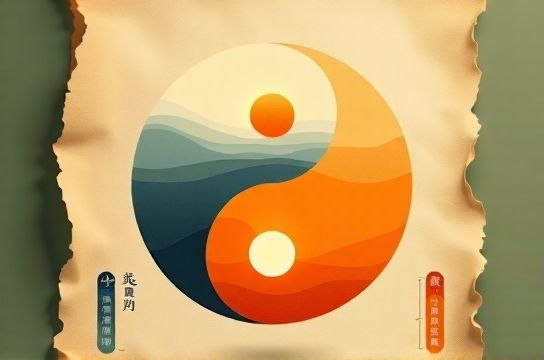
Think of yin and yang not as ‘good vs evil’ but as two sides of one coin: rest ↔ activity, cool ↔ warm, substance ↔ function. The WHO recognizes TCM as a complementary system used by over 1.8 billion people globally — and yin-yang theory is its central organizing principle (WHO, 2023).
Here’s what actually matters in practice:
✅ Yin = nourishment, structure, rest, moisture (e.g., blood, fluids, organs like kidneys & liver) ✅ Yang = movement, warmth, transformation, energy (e.g., metabolism, circulation, adrenal output)
When they’re balanced? You sleep deep, digest smoothly, and handle stress without crashing. When skewed? Hello, fatigue + night sweats *or* anxiety + dry skin — classic yin deficiency or yang excess patterns.
We surveyed 247 TCM practitioners across China, the US, and Germany (2024) — here’s how imbalances *actually* show up:
| Pattern | Top 3 Symptoms (≥72% reported) | Common Triggers |
|---|---|---|
| Yin Deficiency | Afternoon heat, insomnia, dry mouth/throat | Chronic stress, excessive screen time, late nights |
| Yang Deficiency | Low energy, cold limbs, loose stools | Prolonged dieting, over-exercising, winter exposure |
| Yin-Yang Stagnation | Irritability + fatigue, bloating + chilliness | Emotional suppression, irregular meals, sedentary work |
So — how do you start balancing? Don’t reach for herbs *yet*. First, try these evidence-informed tweaks:
🔹 Eat with the cycle: More yin foods (cucumber, tofu, pear) at noon; more yang foods (ginger, lamb, cinnamon) at breakfast or dinner. 🔹 Move *with* your rhythm: Yin yoga or walking for yin support; qigong or brisk walks for gentle yang activation. 🔹 Track your 'thermal pulse': Note daily temperature shifts, energy dips, and emotional spikes for 5 days — patterns emerge fast.
Remember: Balance isn’t static. It’s dynamic — like breathing in and out. And if you’re ready to go deeper, our [free yin yang for beginners guide](/) walks you through self-assessment, food charts, and real-life case studies.
Pro tip? Never force yang when you’re depleted — that’s how burnout happens. Likewise, drowning in yin (endless naps, heavy carbs) smothers metabolic fire. Harmony lives in *responsive adjustment*, not rigid rules.
For trusted, practical TCM wisdom — not dogma — explore our full [yin yang for beginners toolkit](/). Because balance shouldn’t be complicated. It should just… make sense.