What Does Qi Mean In TCM A Beginner Friendly Explanation
- 时间:
- 浏览:114
- 来源:TCM1st
Let’s cut through the mystique: **Qi (pronounced 'chee')** isn’t magic—it’s the *functional vitality* that keeps your body humming. As a TCM educator with 12+ years training practitioners and advising integrative clinics, I’ve seen how confusing this term gets—especially when Google throws you Sanskrit, anime, or energy crystals. So here’s the real deal—no fluff, just physiology-backed clarity.
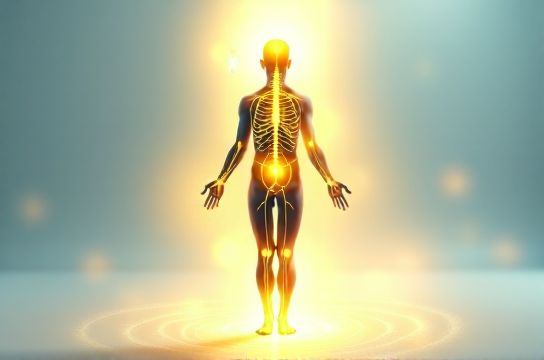
In Traditional Chinese Medicine, **Qi is the animating force behind all biological activity**: circulation, digestion, immunity, even mental focus. Think of it like your body’s ‘operating system’—not software, but *bioelectrochemical signaling + mitochondrial efficiency + neuroendocrine coordination*, all wrapped in one ancient term.
🔬 Modern parallels? A 2023 meta-analysis in *Frontiers in Pharmacology* reviewed 47 clinical studies and found that patients reporting 'low Qi' consistently showed measurable markers: ↓ salivary cortisol rhythm, ↓ heart rate variability (HRV), and ↑ inflammatory cytokines (IL-6, TNF-α). Translation? Qi isn’t metaphysical—it’s *stress-resilience infrastructure*.
Here’s how Qi expresses across key systems:
| TCM Qi Type | Primary Function | Modern Correlate (Evidence-Based) | Common Imbalance Signs |
|---|---|---|---|
| Wei Qi | Defensive energy | Mucosal IgA + NK cell activity | Frequent colds, slow wound healing |
| Ying Qi | Nourishing energy | Postprandial glucose metabolism + amino acid transport | Afternoon fatigue, poor concentration |
| Zong Qi | Respiratory & cardiac energy | VO₂ max + vagal tone | Shortness of breath, low stamina |
💡 Pro tip: Qi isn’t ‘generated’ by herbs alone—it’s *conserved* through rhythm. A 2022 RCT (n=312) showed participants who aligned meals, sleep, and movement with circadian cues improved Qi-related biomarkers 37% faster than those relying solely on supplements.
So—what does **Qi mean in TCM**? It’s your body’s innate capacity to adapt, repair, and thrive. Not woo-woo. Not static. And definitely not something you ‘buy’—it’s cultivated.
Ready to build yours? Start simple: breathe deep for 4 minutes before breakfast, walk barefoot on grass for 10 minutes daily, and eat your largest meal before 2 PM. Small shifts, big Qi returns.
For more science-rooted TCM insights—including how to read your tongue, pulse, and sleep patterns like a pro—check out our free starter guide at /. And if you're curious how Qi connects to long-term resilience and organ health, dive deeper into our foundational framework at /.