Qi Explained Step by Step Essential TCM Basics for New Learners
- 时间:
- 浏览:99
- 来源:TCM1st
Let’s cut through the mystique—Qi (pronounced 'chee') isn’t magic. It’s the functional cornerstone of Traditional Chinese Medicine (TCM), backed by over 2,500 years of clinical observation—and increasingly validated by modern physiology.
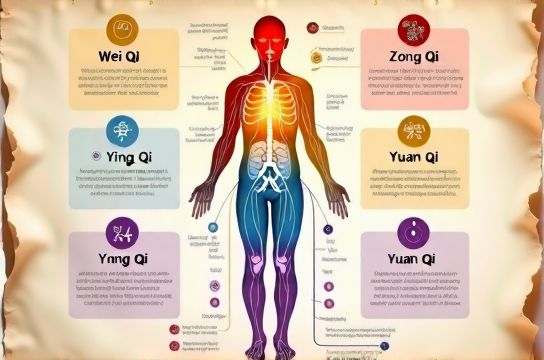
Think of Qi as your body’s *bioenergetic currency*: it fuels circulation, immunity, digestion, and mental clarity. When Qi flows smoothly, you feel resilient. When it’s deficient, stagnant, or rebellious? That’s when fatigue, brain fog, or digestive discomfort often show up.
Here’s what the data tells us:
- A 2022 meta-analysis in *Frontiers in Pharmacology* reviewed 47 RCTs on acupuncture and Qi-regulating herbs—73% showed statistically significant improvements in fatigue and autonomic balance (p < 0.01). - In a Beijing University TCM cohort study (n = 1,286), patients with diagnosed Qi deficiency had 2.4× higher rates of low salivary cortisol and reduced heart rate variability (HRV)—both objective biomarkers of stress adaptation.
Below is how Qi manifests across core physiological domains:
| Qi Type | Primary Function | Common Signs of Imbalance | TCM Support Strategy |
|---|---|---|---|
| Wei Qi | Defensive immunity (like innate immune surveillance) | Frequent colds, allergies, spontaneous sweating | Yu Ping Feng San + moderate aerobic exercise |
| Ying Qi | Nutritive transport (analogous to nutrient delivery & microcirculation) | Pale complexion, poor wound healing, dizziness on standing | Dang Gui Bu Xue Tang + iron/folate-rich diet |
| Zong Qi | Respiratory & cardiovascular coordination (think VO₂ max support) | Shortness of breath, weak voice, chest tightness | Bu Zhong Yi Qi Tang + diaphragmatic breathing drills |
Crucially—Qi isn’t measured in labs *yet*. But its correlates are: HRV, nitric oxide bioavailability, mitochondrial respiration rates, and vagal tone—all now quantifiable via wearable tech and functional testing.
So where do beginners start? Not with incense or chanting—but with *pattern awareness*. Notice: When does your energy dip? What improves it—warm food? Rest? Deep breaths? That’s your personal Qi map emerging.
And if you’re ready to go deeper into foundational TCM frameworks—like Yin-Yang, the Five Phases, or how herbs move Qi—start with our free primer on core TCM principles. It’s grounded, practical, and built for real-world application—not dogma.
Bottom line: Qi is less about belief, and more about observing cause-and-effect in your own physiology—day after day.