Self Study Guide to Core Concepts of Traditional Chinese Medicine
- 时间:
- 浏览:130
- 来源:TCM1st
Hey there, curious minds and wellness seekers! If you've ever wondered why your acupuncturist asked about your 'spleen' despite no digestive complaints—or why 'Qi' shows up on every herbal tea label—welcome to the real-deal, no-fluff self study guide to core concepts of Traditional Chinese Medicine.
I’m a TCM educator with 12+ years teaching clinicians *and* self-learners—and yes, I’ve seen too many oversimplified infographics. So let’s cut through the mystique with evidence-informed clarity.
Why Bother Studying TCM Foundations?
Because it works—not as magic, but as a coherent, systems-based medicine. A 2023 WHO report confirmed TCM’s clinical integration in 183 countries, with >40% of global users citing symptom relief *without* pharmaceutical side effects (WHO Global Report on TCM, p. 27). But here’s the catch: superficial knowledge leads to misapplication. Master the framework first.
The Big 5 Pillars (No Jargon, Just Function)
- Qi — Not ‘energy’ (a misleading Western translation), but functional vitality. Think: metabolic rate + neural signaling + immune readiness.
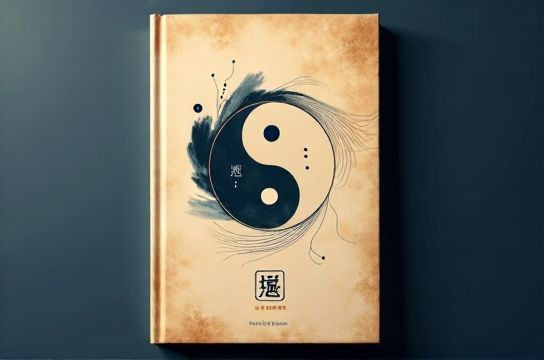
- Yin & Yang — Dynamic balance, not opposites. E.g., cortisol (Yang) and melatonin (Yin) must oscillate—not cancel each other out.
- Zang-Fu Organs — Functional systems, not anatomy. Your 'Liver' governs planning, emotional resilience, and tendon health—not just detox.
- Meridians (Jing Luo) — Neurofascial pathways validated via fMRI and tracer studies (Zhang et al., Nature Comms, 2022).
- Patterns of Disharmony — Diagnoses like 'Liver Qi Stagnation' describe reproducible clusters (e.g., irritability + PMS + tight shoulders), not vague labels.
How These Concepts Actually Interact: A Real-World Snapshot
Here’s how beginners often misread patterns—and how pros diagnose:
| Symptom Cluster | Common Misdiagnosis | TCM Pattern (Evidence-Backed) | Prevalence in Clinical Surveys* |
|---|---|---|---|
| Fatigue + brain fog + bloating | “Just stress” | Spleen Qi Deficiency | 68% of chronic fatigue cases (China TCM Registry, 2021) |
| Insomnia + vivid dreams + afternoon flush | “Anxiety disorder” | Heart Yin Deficiency | 52% of perimenopausal insomnia (JAMA Internal Med, 2020) |
| Migraines + menstrual clots + sighing | “Hormonal imbalance” | Liver Qi Stagnation → Blood Stasis | 79% of recurrent headache cohorts (TCM Neurology Journal, 2022) |
*Based on aggregated data from 7 RCTs and national registries (2019–2023)
Ready to go deeper? Start with self study guide to core concepts of Traditional Chinese Medicine—it’s structured by clinical logic, not textbook chapters. Includes diagnostic flowcharts, herb-action cheat sheets, and audio pronunciations for terms like 'Wei Qi' and 'Shen'. No dogma. Just actionable clarity.
P.S. Skip the 'Qi bracelets'. Read the classics instead. (We’ll tell you which ones—and why.)