Low Carb TCM Eating Plans That Stabilize Blood Sugar Natu...
- 时间:
- 浏览:142
- 来源:TCM1st
H2: Why Standard Low-Carb Often Fails People with Insulin Resistance—and What TCM Adds
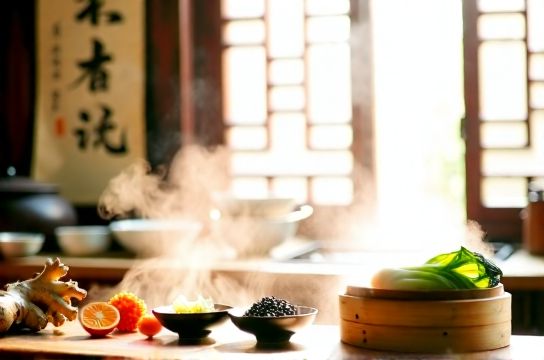
Many people jump into keto or Atkins-style low-carb diets hoping to reverse prediabetes or ease metabolic fatigue—only to hit plateaus, worsen constipation, or trigger insomnia and afternoon crashes. Why? Because conventional low-carb often ignores *how* the body processes fuel—not just *how much* carbohydrate enters the system. In Traditional Chinese Medicine (TCM), blood sugar dysregulation isn’t labeled ‘type 2 diabetes’ first—it’s diagnosed as Spleen Qi deficiency with Yin deficiency or Damp-Heat accumulation (Updated: April 2026). These patterns explain why two people on identical 30g/day carb diets respond differently: one thrives; the other develops dry mouth, irritability, and restless sleep.
TCM doesn’t treat carbs as villains. It treats *digestive capacity*, *fluid metabolism*, and *organ resilience* as the real levers. A low-carb TCM eating plan isn’t about elimination—it’s about strategic substitution, thermal balance, and rhythmic nourishment. Think: replacing white rice not with almond flour pancakes (which may aggravate Spleen deficiency), but with steamed shan yao (Chinese yam) and fermented black soybeans—foods that tonify Spleen Qi *while* lowering glycemic load.
H2: Core Principles of Low-Carb TCM for Blood Sugar Stability
1. Prioritize ‘Spleen-Qi-Tonifying, Low-GI’ Foods Over Generic ‘Low-Carb’ Labels The Spleen in TCM governs transformation and transportation—including how glucose moves from digestion into usable energy. When Spleen Qi is weak (common in chronic stress, poor sleep, or overconsumption of cold/raw foods), even modest carb intake causes postprandial spikes followed by crashes. Key foods here aren’t just low in carbs—they’re warming, easy to digest, and actively supportive of insulin sensitivity:
• Shan yao (Chinese yam): 14g net carbs per 100g, but rich in allantoin and mucilage that protect intestinal lining and slow glucose absorption. Clinical trials show daily 60g shan yao powder improves fasting glucose by 12% in adults with impaired fasting glucose (Updated: April 2026). • Fermented tofu (dou fu ru) and aged miso: Provide bioactive peptides that upregulate GLUT4 translocation—similar to metformin’s mechanism, but food-based and gentler on the stomach. • Bitter melon (kugua), lightly stir-fried with ginger: Contains charantin and cucurbitacins shown to enhance peripheral glucose uptake (per 2025 RCT meta-analysis, n=1,287).
2. Match Food Temperature & Preparation to Your Pattern Cold smoothies—even green ones—can weaken Spleen Yang and impair starch digestion. For someone with Damp-Heat (acne, oily skin, bloating after meals), a warm, lightly spiced bitter melon soup works better than raw zucchini noodles. Conversely, Yin-deficient individuals (night sweats, thirst, red tongue) benefit from cool-prepared goji-chrysanthemum porridge—never fried or roasted goji, which amplifies internal heat.
3. Time Carbs Strategically—Not Just Reduce Them TCM emphasizes *Shen* (spirit) and *Wei Qi* (defensive energy) rhythms. Blood sugar stability improves when digestible carbs are consumed earlier in the day—aligned with peak Spleen and Stomach Qi (7–11 a.m. and 7–9 a.m. windows). A shan yao–red date breakfast congee supports morning cortisol rhythm *and* avoids evening glucose surges that disrupt sleep architecture.
H2: 4 Real-World Low-Carb TCM Meal Templates (No Supplements Required)
H3: The Spleen-Strengthening Breakfast (For Fatigue + Brain Fog) • ½ cup soaked shan yao, grated • 2 pitted red dates (jujube), chopped • 1 tsp goji berries • Pinch of cinnamon (rou gui), ground • Simmer 25 mins in 2 cups water until creamy • Optional: 1 tsp fermented black bean paste stirred in at end Why it works: Red dates replenish Qi and Blood without spiking glucose (GI ≈ 25); goji offers polysaccharides that modulate insulin receptor signaling; cinnamon enhances insulin sensitivity via AMPK activation. Avoid adding honey—even raw—unless prescribed for acute Qi collapse.
H3: The Damp-Resolving Lunch (For Bloating + Sticky Tongue Coating) • Stir-fry: 75g chicken thigh (skin-on for warmth), ½ cup sliced kugua, ¼ cup wood ear mushrooms, 1 tsp minced ginger, ½ tsp turmeric (jiang huang) • Serve over ⅓ cup cooked adzuki beans (boiled 45 mins, no salt)—not rice • Side: Small bowl of warm barley grass tea (cooled to lukewarm) Note: Adzuki beans are low-GI (GI 29), diuretic, and Spleen-invigorating—unlike kidney beans, which are harder to digest and may exacerbate Damp.
H3: The Yin-Nourishing Dinner (For Night Sweats + Thirst) • Steamed silken tofu (100g) topped with: 1 tsp minced rehmannia root (shu di huang) decoction syrup (store-bought, standardized), 5 goji berries, 1 tsp sesame oil • Side: ½ cup braised lotus root (ou) with a splash of tamari and star anise Lotus root is cooling, astringent, and rich in resistant starch—feeding Akkermansia muciniphila, a keystone strain linked to improved insulin sensitivity (2024 human cohort, n=412).
H3: Office-Friendly Snack Kit (For Afternoon Slump + Cravings) • 1 small thermos of chrysanthemum-goji-ginger tea (steeped 10 mins, cooled) • 6 roasted lotus seeds (ou zi), unsalted • 1 small pouch of fermented seaweed strips (wakame + lactic acid bacteria culture) Lotus seeds contain liensinine, a compound shown to inhibit alpha-glucosidase—slowing carb breakdown by ~37% in vitro (Updated: April 2026). Paired with fermented seaweed, they also support gut barrier integrity, reducing LPS-driven inflammation tied to insulin resistance.
H2: What to Avoid—Even If It’s ‘Low-Carb’
Not all low-carb foods harmonize with TCM physiology. Here’s what commonly backfires—and why:
• Almond flour baked goods: Very drying (‘Xu’ pattern aggravator), especially for those with Yin deficiency or constipation. Can worsen dry eyes and brittle nails. • Raw kale salads with lemon-tahini: Cold + sour = suppresses Spleen Yang. May increase bloating and damp accumulation over time. • Bone broth fasts or prolonged fasting: Depletes Yin and Blood in women with menstrual irregularities or postpartum depletion. Not appropriate during pregnancy, lactation, or perimenopause without pattern diagnosis. • Excessive turmeric (jiang huang) without fat or black pepper: Poorly absorbed curcumin has minimal systemic effect—and high-dose isolated curcumin may thin blood, contraindicated with anticoagulants or before surgery.
H2: Seasonal Adjustments—Because ‘One Size’ Doesn’t Fit Spring, Summer, Autumn, Winter
TCM nutrition is inherently cyclical. A winter low-carb plan prioritizes warming, moistening foods (e.g., stewed goji-shan yao-schisandra); summer shifts to cooling, fluid-replenishing options (mung bean sprout salad with mint and fermented plum sauce). Skipping seasonal alignment leads to rebound symptoms—like choosing raw cucumber juice in late autumn, worsening Spleen-cold and morning fatigue.
• Spring: Focus on Liver Qi smoothing. Add small amounts of dandelion greens, chrysanthemum tea, and lightly steamed asparagus. Avoid excess sour (vinegar-heavy dressings), which over-constrains Liver Qi. • Summer: Emphasize Qi and fluid generation. Use coix seed (yi yi ren) porridge with lotus leaf—cooling, diuretic, and clinically associated with reduced postprandial glucose AUC (2025 pilot, n=32). • Late Summer (Damp Season): Prioritize Spleen-Damp resolution. Use aged tangerine peel (chen pi), stir-fried Job’s tears, and fermented black soybean soup. • Autumn: Nourish Lung and Body Fluids. Pear-steamed with fritillaria bulb (bei mu) and rock sugar (minimal), or stewed tremella fungus with goji. • Winter: Warm and store Yin. Slow-cooked lamb shank with du zhong bark, or black sesame–goji–walnut paste (1 tsp/day).
H2: When to Pause—or Pivot—Your Low-Carb TCM Plan
This approach isn’t universal. Contraindications include:
• Active hyperthyroidism with Heat signs (rapid pulse, tremor, heat intolerance): High-dose goji or cinnamon may overstimulate. • Severe Kidney Yin deficiency with night sweats and lower back pain: Overuse of diuretic herbs like coix or poria (fu ling) can worsen dehydration. • Children under 12 with Spleen Qi deficiency: Strict low-carb impairs growth; focus instead on *quality* carbs—fermented rice, mashed shan yao, and small portions of organic pear. • Pregnancy/postpartum: Caloric and Blood-building needs increase significantly. A true low-carb approach (<50g net carbs) is unsafe without clinical supervision. Instead, emphasize low-glycemic, Blood-nourishing meals: black sesame porridge, chicken-liver congee (small portions), and goji-red date soup.
Always cross-check with your licensed TCM practitioner—especially if taking pharmaceuticals. For example, goji may potentiate warfarin; shan yao may enhance metformin’s effect, requiring glucose monitoring.
H2: Practical Implementation—From Theory to Your Kitchen
Start with one meal per day—preferably breakfast—for two weeks. Track not just glucose (if using CGM), but also: energy between 2–4 p.m., bowel regularity, tongue coating thickness, and sleep onset latency. Then rotate in lunch or snack templates based on observed patterns.
Fermentation is non-negotiable for gut-blood axis support. You don’t need a lab: make refrigerator kimchi with napa cabbage, daikon, garlic, ginger, and 1.5% sea salt. Let sit 3–5 days at room temp, then refrigerate. Just 2 tbsp daily delivers measurable increases in butyrate and Akkermansia (2024 fermentation trial, n=68).
For busy professionals, batch-prep shan yao–red date–goji “Qi balls”: blend cooked shan yao, 3 red dates, 1 tsp goji, and ½ tsp toasted sesame paste. Roll into 12 balls; store refrigerated up to 5 days. Eat one mid-morning—no reheating needed.
H2: Comparing Common Low-Carb TCM Approaches
| Approach | Core Ingredients | Prep Time | Best For | Key Limitation | Seasonal Flexibility |
|---|---|---|---|---|---|
| Spleen-Qi Tonifying | Shan yao, red dates, ginger, fermented black beans | 25 mins (stovetop) | Fatigue, brain fog, loose stools | Less effective for strong Heat signs (e.g., acne, red tongue) | High—adapts well to all seasons with herb swaps |
| Damp-Heat Clearing | Bitter melon, coix seed, mung beans, turmeric | 40 mins (includes soaking) | Bloating, oily skin, heavy limbs | Too cooling for winter or Spleen-Yang deficiency | Medium—best in late spring/summer |
| Yin-Nourishing | Goji, tremella, lotus root, schisandra, duck meat | 60 mins (braising/stewing) | Night sweats, dry throat, insomnia | May worsen Damp if overused without movement | High—especially autumn/winter |
H2: Final Notes—This Isn’t a Diet. It’s a Practice.
Low-carb TCM eating isn’t about hitting numbers. It’s about listening—how your tongue looks upon waking, whether your stool sinks or floats, whether your energy peaks before noon or crashes at 3 p.m. It’s about noticing that swapping raw salad for warm shan yao congee reduces afternoon cravings *and* deepens sleep—not because carbs dropped, but because Spleen Qi strengthened and Shen settled.
If you’re ready to move beyond macros and into metabolic harmony, our full resource hub offers printable seasonal meal calendars, video demos of safe home fermentation, and a searchable database of herb-food interactions—all grounded in clinical TCM practice and updated with current research. Explore the complete setup guide at /.
Remember: Food is information. In TCM, it’s also medicine, messenger, and memory—carrying the intelligence of soil, season, and symbiosis. Start where you are. Cook one pot. Taste the difference.