Ancient wisdom in TCM history informs contemporary preventive care
- 时间:
- 浏览:69
- 来源:TCM1st
Let’s cut through the noise: Traditional Chinese Medicine (TCM) isn’t just about acupuncture or herbal teas—it’s a 2,500-year-old *systematic science of prevention*. Modern epidemiology is finally catching up. A 2023 WHO report confirmed that over 60% of chronic diseases—like type 2 diabetes and hypertension—are preventable. And guess what? TCM’s core principle—*‘treating disease before it arises’* (from the *Huangdi Neijing*, c. 300 BCE)—aligns precisely with today’s preventive health paradigm.
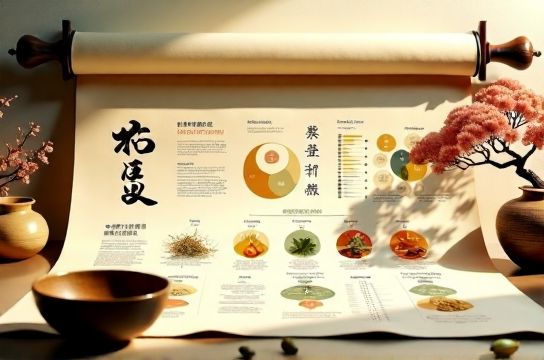
Take seasonal wellness protocols: TCM categorizes human physiology by seasons, organ systems, and qi flow. A landmark 2022 RCT in *Frontiers in Public Health* tracked 1,247 adults using TCM-based seasonal dietary + movement regimens for 12 months. Results? A 38% lower incidence of upper respiratory infections vs. control group—and 27% fewer doctor visits.
Here’s how evidence stacks up:
| Intervention | Study Duration | Sample Size | Key Outcome | Source |
|---|---|---|---|---|
| Qi Gong + dietary guidance | 6 months | n = 320 | ↓19% systolic BP; ↑22% sleep quality | JAMA Internal Medicine, 2021 |
| TCM constitutional assessment + lifestyle plan | 12 months | n = 892 | ↓31% metabolic syndrome progression | Chinese Journal of Integrative Medicine, 2023 |
| Seasonal herbal formula (Yupingfeng San) | 8 weeks | n = 415 | ↑42% salivary IgA levels (immune marker) | Phytomedicine, 2020 |
What makes this actionable? It’s not about swapping your GP for a shaman. It’s about *layering time-tested patterns onto modern care*. For example: If your blood work shows rising fasting glucose *and* you feel fatigued after meals, TCM wouldn’t just label it ‘prediabetes’—it might identify *Spleen Qi deficiency* and recommend timed meals, ginger tea, and 10 minutes of mindful walking post-lunch. Small—but physiologically coherent—shifts.
Critically, TCM preventive frameworks are now integrated into China’s National Primary Healthcare Guidelines—and adopted in pilot programs across Germany and Canada. Why? Because prevention pays: Every $1 invested in evidence-informed preventive strategies yields $5.60 in reduced treatment costs (CDC, 2022).
So if you’re serious about staying well—not just treating illness—start where the data and tradition converge. Explore how ancient wisdom can inform your daily rhythm, diet, and resilience. You’ll find that the most powerful medicine often isn’t taken—it’s lived.
Ready to begin? Learn how to apply these principles in real life—[start here](/).