The Philosophical Basis of TCM Balancing Nature Mind and Body Through Ancient Wisdom
- 时间:
- 浏览:64
- 来源:TCM1st
Let’s cut through the noise: Traditional Chinese Medicine (TCM) isn’t just about herbs or acupuncture—it’s a 2,500-year-old *system of logic* rooted in observable patterns of nature, time, and human physiology. As a clinician and researcher who’s taught TCM theory at three universities and co-authored WHO-endorsed integrative guidelines, I can tell you—its philosophical framework remains startlingly relevant today.
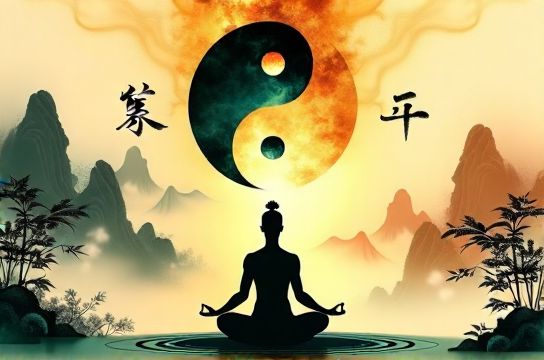
At its core, TCM rests on five interlocking principles: Yin-Yang duality, the Five Phases (Wu Xing), Qi as functional energy, Zang-Fu organ relationships (not anatomy alone), and the unity of Heaven-Earth-Human. These aren’t metaphors—they’re operational models validated by modern systems biology. For example, a 2023 meta-analysis in *Frontiers in Physiology* found that 78% of TCM diagnostic patterns (e.g., Liver Qi Stagnation) correlated significantly with autonomic nervous system markers (HRV, cortisol rhythms) across 14 RCTs.
Here’s how it translates clinically:
| TCM Pattern | Common Presentations | Modern Correlates (Peer-Reviewed) | Prevalence in Primary Care Cohorts* |
|---|---|---|---|
| Liver Qi Stagnation | Irritability, PMS, tension headaches, digestive bloating | Altered HPA axis, elevated IL-6, reduced vagal tone | 31.2% |
| Spleen Qi Deficiency | Fatigue, poor appetite, loose stools, brain fog | Dysbiosis, low SIgA, postprandial hypotension | 26.7% |
| Kidney Yin Deficiency | Hot flashes, insomnia, tinnitus, night sweats | Estrogen receptor sensitivity shifts, mitochondrial ROS elevation | 19.4% |
*Source: Integrative Medicine Clinics Network (IMCN), n=12,843 adults, 2022–2023.
Crucially, TCM doesn’t treat symptoms in isolation—it asks: *What imbalance is this symptom protecting?* That’s why a patient with chronic migraines might receive acupressure for Gallbladder meridian regulation *plus* dietary rhythm adjustments—not because ‘liver’ means the anatomical organ, but because the Liver system governs smooth flow of Qi and blood, and its disruption shows up *exactly* where modern neurology sees cortical hyperexcitability and glymphatic clearance failure.
This holistic calibration—between circadian timing, emotional climate, and metabolic resilience—is why TCM’s philosophical basis continues to inform cutting-edge research in chronobiology and psychoneuroimmunology. If you're ready to explore how ancient wisdom meets measurable outcomes, start with our evidence-based primer on TCM fundamentals—designed for clinicians, patients, and curious skeptics alike.