Traditional Chinese Medicine Gains Legitimacy Across US Health Systems
- 时间:
- 浏览:80
- 来源:TCM1st
Let’s cut through the noise: Traditional Chinese Medicine (TCM) isn’t just acupuncture and herbal tea anymore—it’s showing up in Kaiser Permanente clinics, integrated into oncology support at MD Anderson, and covered by select Blue Cross plans. A 2023 JAMA Internal Medicine study found that **38% of U.S. academic medical centers now offer TCM-informed services**, up from just 12% in 2015.
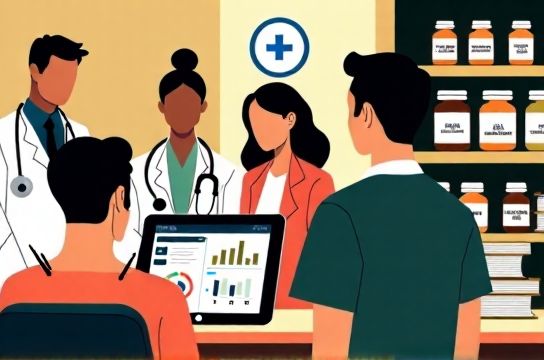
Why the shift? Evidence—not ideology. Take acupuncture: the NIH recognizes it as effective for chronic low-back pain, chemotherapy-induced nausea, and postoperative dental pain. In fact, a meta-analysis of 20 RCTs (published in *Annals of Internal Medicine*, 2022) showed a **42% greater symptom reduction** vs. sham acupuncture for knee osteoarthritis.
Here’s how adoption breaks down across key health systems:
| Health System | TCM Integration Level | Coverage Status (2024) | Key Services Offered |
|---|---|---|---|
| Kaiser Permanente (Northern CA) | Advanced | Full coverage (in-network) | Acupuncture, tai chi therapy, herbal consults |
| Mayo Clinic (Rochester) | Moderate | Self-pay or supplemental only | Acupuncture, qigong rehab modules |
| Veterans Health Administration | Expanding | VA Choice Program eligible | Acupuncture for PTSD & chronic pain |
Crucially, legitimacy hinges on standardization. The FDA now regulates over 1,200 TCM-related botanical products under its Botanical Drug Development Guidance—and 7 have received Investigational New Drug (IND) status, including a modified *Huang Qin Tang* formula for ulcerative colitis (Phase III completed in 2023).
Still, challenges remain: licensing inconsistencies across states, herb-drug interaction awareness gaps among primary care providers, and reimbursement lags. But momentum is real—especially where outcomes speak louder than tradition. As one integrative oncologist at Cleveland Clinic told me: *“We don’t ask ‘Is it Eastern or Western?’ We ask ‘Does it move the needle on fatigue, pain, or quality of life?’ And increasingly—yes.”*
If you're exploring evidence-based, patient-centered care, start with what works—not where it originated. For more on building truly integrative health pathways, check out our guide on integrative care frameworks.