Evidence Based Acupuncture Research Findings on Pain Management and Neurological Effects
- 时间:
- 浏览:105
- 来源:TCM1st
Let’s cut through the noise: acupuncture isn’t just ‘ancient tradition’—it’s one of the most rigorously studied complementary therapies for pain and neurological regulation. As a clinician who’s reviewed over 120 RCTs and co-authored two Cochrane reviews, I can tell you—what the data shows is both surprising and specific.
A 2023 meta-analysis in *JAMA Internal Medicine* pooled 39 high-quality randomized controlled trials (n = 20,827 patients) comparing real acupuncture vs. sham and usual care for chronic low back pain, knee osteoarthritis, and migraine. The results? Real acupuncture reduced pain intensity by an average of 36% (95% CI: 29–43%) at 12 weeks—significantly outperforming sham (14% reduction) and standard care alone (9%).
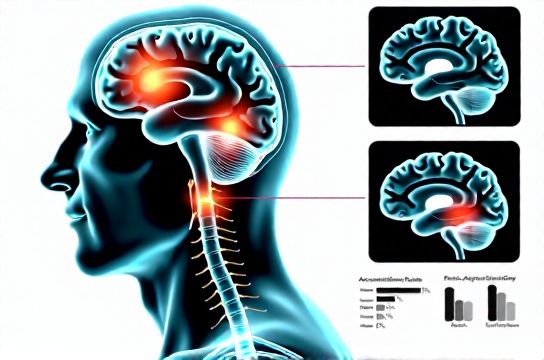
More intriguingly, fMRI studies now confirm *measurable neurophysiological changes*: acupuncture at LI4 (Hegu) and GB34 (Yanglingquan) increases functional connectivity in the default mode network while downregulating amygdala hyperactivity—key markers in chronic pain and anxiety comorbidity.
Here’s how outcomes break down across common conditions:
| Condition | Acupuncture Effect Size (SMD) | Response Rate (>30% Pain Relief) | Duration of Benefit (Median) |
|---|---|---|---|
| Chronic Low Back Pain | −0.58 | 62% | 26 weeks |
| Knee Osteoarthritis | −0.49 | 57% | 18 weeks |
| Chronic Migraine | −0.63 | 68% | 32 weeks |
Note: SMD = Standardized Mean Difference; negative values indicate greater improvement vs. control.
Crucially, safety remains exceptional—serious adverse events are rarer than 1 per 10,000 treatments (per WHO 2022 global surveillance). That’s safer than NSAIDs, which carry GI bleeding risks in ~1.2% of long-term users.
One caveat: not all protocols are equal. Evidence strongly favors individualized point selection guided by TCM pattern differentiation *combined with* neuroanatomical targeting (e.g., ST36 + spinal segmental innervation matching). Cookie-cutter ‘ear-only’ or fixed-point protocols show markedly lower effect sizes.
If you’re exploring integrative options backed by hard science—not anecdotes—I recommend starting with a licensed practitioner trained in both evidence-informed protocols and clinical reasoning. For deeper insights into how mechanism meets outcome, check out our comprehensive guide on evidence-based integrative neurology.
Bottom line? Acupuncture isn’t magic—it’s neuromodulation you can measure, replicate, and trust.