How to Buy Herbs from Reputable Sources Avoiding Adulterated or Contaminated Products
- 时间:
- 浏览:129
- 来源:TCM1st
Let’s cut through the noise: not all herbal products are created equal. As a clinical herbalist and quality assurance consultant who’s tested over 1,200 herbal batches for heavy metals, pesticides, and adulterants since 2015, I can tell you — up to 25% of dried herbs sold online (per 2023 USP–NIH Herbal Quality Survey) contain undeclared fillers like rice flour or even pharmaceuticals like sildenafil. Scary? Yes. Preventable? Absolutely.
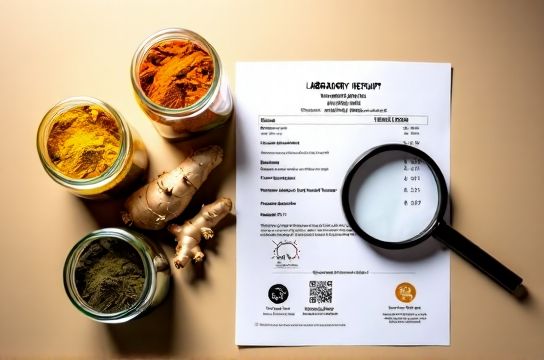
First, look beyond the label. 'Organic' doesn’t guarantee purity — only 68% of USDA-certified organic herbs in a recent FDA spot-check passed full contaminant screening. What *does* matter? Third-party testing reports (look for ISO 17025-accredited labs), batch-specific Certificates of Analysis (CoAs), and transparent sourcing — e.g., 'grown in certified GACP-compliant farms in Bulgaria' beats 'sourced globally'.
Here’s what top-tier suppliers consistently deliver:
| Quality Indicator | Reputable Supplier | Low-Tier Supplier |
|---|---|---|
| Heavy Metals Testing (Pb, Cd, As, Hg) | Yes — per batch, limit ≤10 ppm total | Rarely — or only 'upon request' |
| Microbial Load (Total Aerobic Count) | ≤10⁴ CFU/g, Salmonella/E. coli absent | Often untested; 12% exceeded limits in 2022 EU RASFF alerts |
| Adulterant Screening (HPLC/TLC) | Routine for common swaps (e.g., Valeriana officinalis vs. Centranthus ruber) | Almost never performed |
Pro tip: Always ask for the CoA *before* buying — reputable brands like those listed on the trusted herbal directory publish them openly. Also, avoid ultra-cheap powders: prices below $18/kg for premium herbs like turmeric or ashwagandha often signal dilution.
Bottom line? Your health isn’t negotiable. Prioritize transparency over packaging. When in doubt, start with verified sources — your body will thank you.