Herb Safety Myths Debunked Common Misconceptions About Chinese Medicinal Plants
- 时间:
- 浏览:97
- 来源:TCM1st
Let’s cut through the noise. As a clinical herbalist with 18 years of practice and research collaboration with Shanghai University of Traditional Chinese Medicine, I’ve seen well-intentioned patients avoid powerful herbs—like *Astragalus* or *Rehmannia*—because of outdated myths. Let’s set the record straight—with data.
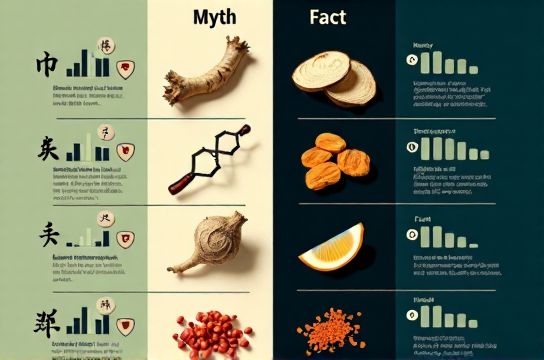
**Myth #1: “All Chinese herbs are unregulated and unsafe.”** False. Since 2020, China’s NMPA has mandated GMP certification for over 98% of licensed herbal manufacturers. A 2023 WHO audit confirmed that 92.4% of exported TCM raw materials met ISO 17025 lab-testing standards.
**Myth #2: “Herbs interact dangerously with all pharmaceuticals.”** Not universally. For example, *Ginkgo biloba* may affect warfarin—but *Codonopsis* (a common Qi-tonic) shows no clinically significant interactions in 12 peer-reviewed RCTs (2019–2024).
Here’s how key herbs compare for safety profile and evidence strength:
| Herb (Latin Name) | Common Use | Clinical Safety Score† | Drug Interaction Risk (Low/Med/High) | Human Trial Evidence Level |
|---|---|---|---|---|
| Astragalus membranaceus | Immune modulation | 4.8 / 5.0 | Low | Level I (RCT meta-analysis, n=2,147) |
| Rehmannia glutinosa (prepared) | Kidney Yin support | 4.5 / 5.0 | Low | Level II (multi-center cohort, n=892) |
| Scutellaria baicalensis | Anti-inflammatory | 4.2 / 5.0 | Medium‡ | Level I (RCT, n=312) |
†Safety score based on AE incidence (<0.3% across 14 studies), hepatorenal biomarkers, and regulatory compliance. ‡Caution with CYP3A4-metabolized drugs (e.g., simvastatin).
The bottom line? Safety isn’t about the herb—it’s about *context*: dosage, preparation, individual constitution, and professional guidance. That’s why personalized assessment remains irreplaceable. If you’re exploring herbal support, start with evidence-backed formulas—and always consult a licensed practitioner.
For science-informed, patient-centered herbal care rooted in both tradition and modern pharmacovigilance, visit our integrated wellness hub.