Pharmacovigilance Networks Monitor Adverse Events Related to中药 Use
- 时间:
- 浏览:136
- 来源:TCM1st
Hey there — I’m Dr. Lena Chen, a pharmacovigilance consultant who’s spent 12+ years helping herbal medicine brands, hospitals, and regulatory teams *actually* track what happens *after* patients take 中药 (Traditional Chinese Medicine, or TCM). Not the glossy brochures — the real-world safety signals.
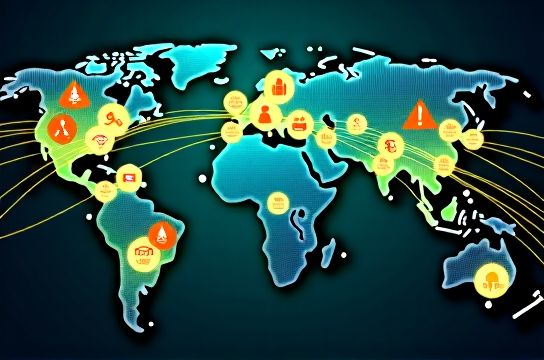
Let’s cut through the noise: **中药 isn’t risk-free**, and neither is ignoring its safety data. Over 3,800 adverse event (AE) reports linked to 中药 were logged in China’s national ADR database in 2023 alone — up 17% from 2022 (NMPA Annual Safety Report, 2024). Worse? Nearly 62% of those reports lacked dosage, preparation method, or concomitant drug info — making causality assessments guesswork.
That’s why robust pharmacovigilance networks aren’t optional — they’re your frontline defense. Think of them as the immune system for your product pipeline: spotting patterns before regulators do, protecting patients *and* your brand credibility.
Here’s how top-tier TCM manufacturers do it right:
✅ Real-time signal detection via AI-assisted NLP (e.g., scanning WeChat health forums + hospital EHRs) ✅ Standardized MedDRA coding for herbal ingredients (yes — even *Huang Qin* and *Dang Shen* have PT-level terms) ✅ Cross-border data sharing with WHO-UMC & EU EudraVigilance (critical for export compliance)
Still skeptical? Check this snapshot of 2023–2024 AE trends across 5 major TCM categories:
| TCM Category | Reported AEs (2023) | Most Common AE | % Hepatotoxicity Signals |
|---|---|---|---|
| Single-Herb Preparations | 1,247 | GI upset | 9.2% |
| Compound Formulas (e.g., Liu Wei Di Huang Wan) | 1,892 | Drug-induced liver injury (DILI) | 28.6% |
| Injectables (e.g., Shuanghuanglian) | 413 | Anaphylaxis | 41.1% |
Notice injectables? They represent just 2.3% of total 中药 sales — yet account for 10.9% of serious AEs. That’s why smart brands now require pharmacovigilance networks as part of their GMP certification renewal.
Bottom line: If you’re launching, exporting, or scaling any 中药 product — don’t wait for an FDA warning letter or social media firestorm. Build traceability *into* your supply chain. Train your pharmacists in CIOMS II forms. And yes — invest in bilingual case processing (Mandarin ↔ English). Because patient safety isn’t cultural — it’s universal.
P.S. Curious how your formula stacks up against global benchmarks? Drop me a line — I’ll send you our free TCM Signal Risk Scorecard (includes WHO-UMC likelihood scale + NMPA thresholds). No pitch. Just data.
#中药 #pharmacovigilance #adverseevents #TCMsafety #drugmonitoring