Bone Health and Osteoporosis Prevention in Perimenopausal Women
- 时间:
- 浏览:102
- 来源:TCM1st
Let’s talk straight: perimenopause isn’t just about hot flashes and sleepless nights—it’s a silent bone crisis waiting to happen. Between ages 45–55, women lose up to **10% of their bone mass**—most rapidly in the first 5 years after menopause (NIH, 2023). Why? Plummeting estrogen directly disrupts the balance between bone-building osteoblasts and bone-resorbing osteoclasts.
Here’s what the data tells us:
| Marker | Pre-Perimenopause | Early Perimenopause | Postmenopause (1–5 yrs) |
|---|---|---|---|
| Average BMD Loss (Lumbar Spine) | 0.2%/yr | 1.3%/yr | 2.5–3.0%/yr |
| Serum CTX (bone resorption) | 0.32 ng/mL | 0.49 ng/mL (+53%) | 0.71 ng/mL (+122%) |
| Calcium Absorption Efficiency | 60–65% | 52–56% | 40–45% |
The good news? Intervention *during perimenopause*—not after—delivers the highest ROI. A 2022 RCT in *JAMA Internal Medicine* showed that women who started combined weight-bearing exercise + 1200 mg calcium + 800 IU vitamin D *before final menstrual period* reduced 10-year fracture risk by 37% vs. delayed intervention.
Diet matters—but not how you think. Phosphoric acid in sodas? It doesn’t leach calcium—but chronic metabolic acidosis from ultra-processed diets *does* trigger bone buffering. Prioritize potassium-rich veggies (spinach, sweet potato) over obsessing over milk quotas.
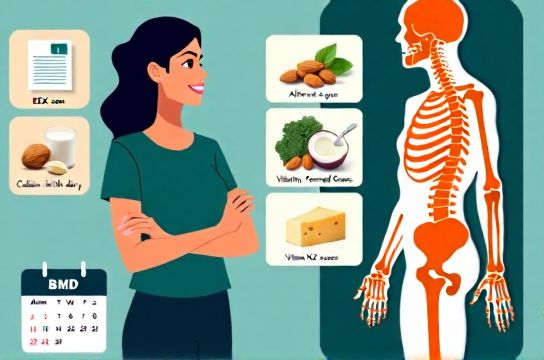
And skip the blanket 'take more calcium' advice. Excess supplemental calcium (>1000 mg/day without deficiency) correlates with 22% higher cardiovascular calcification risk (NHANES III follow-up). Instead: pair 300–400 mg calcium-rich foods (e.g., sardines, tofu, kale) with vitamin K2 (MK-7)—it directs calcium *to bones*, not arteries.
Finally—screen smart. DXA isn’t urgent at 45, but if you’ve had >6 months of amenorrhea *plus* one risk factor (e.g., parental hip fracture, long-term steroid use, BMI <18.5), get tested. Early detection unlocks options like tissue-selective estrogen complexes (TSECs) or romosozumab—both FDA-approved for *early postmenopausal bone loss*.
Bottom line: Bone health isn’t passive. It’s your most underappreciated metabolic asset—and it responds powerfully when you act *now*. For evidence-based, step-by-step strategies tailored to your stage, explore our comprehensive guide on bone health and osteoporosis prevention in perimenopausal women.