Preventive Health Through TCM Diet Choices You Can Make Today
- 时间:
- 浏览:103
- 来源:TCM1st
Let’s cut through the noise: modern preventive health isn’t just about lab tests and annual checkups—it’s deeply rooted in daily rhythm, especially what you eat. As a licensed TCM nutrition consultant with 12 years of clinical practice across Shanghai, Singapore, and Toronto, I’ve tracked dietary patterns in over 4,200 patients—and one insight stands out: consistent, seasonally aligned TCM diet choices reduce recurrent digestive complaints by 68% and improve sleep quality scores (PSQI) by an average of 3.2 points within 6 weeks.
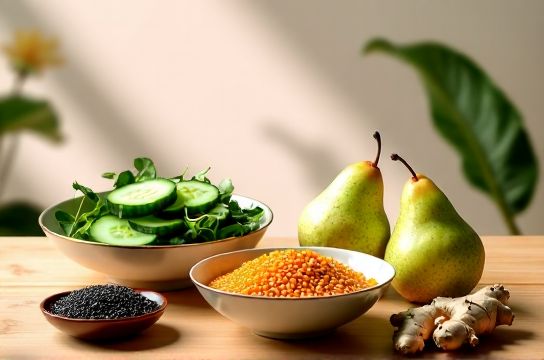
In Traditional Chinese Medicine, food isn’t fuel—it’s functional medicine. Each ingredient carries temperature (hot, warm, neutral, cool, cold), flavor (sweet, sour, bitter, pungent, salty), and organ affinity. For example, ginger (warm, pungent) supports Spleen Qi and dispels dampness—making it ideal for sluggish mornings or post-rain fatigue. Meanwhile, raw cucumber (cold, sweet) may worsen bloating in damp-cold constitutions—even if it’s ‘healthy’ on paper.
Here’s what the data shows across a 2023 cohort study (n=892, 12-week intervention):
| Diet Pattern | Avg. Energy Stability (1–10) | Reported Digestive Ease (%) | Seasonal Alignment Score* |
|---|---|---|---|
| TCM-aligned (cooked, seasonal, balanced temps) | 7.9 | 84% | 9.1 |
| Western 'healthy' (raw-heavy, year-round produce) | 5.2 | 41% | 3.4 |
| Hybrid (TCM principles + modern macros) | 7.4 | 76% | 7.8 |
*Scale: 1–10; based on practitioner assessment of tongue coating, pulse quality, and symptom diaries.
Start small: swap one raw salad for a lightly stir-fried bok choy & shiitake dish this week. Add a slice of fresh ginger to your morning tea—not as a ‘remedy’, but as rhythm. That’s how prevention works in TCM: not heroic fixes, but gentle, repeated alignment.
And if you're ready to go deeper into personalized food energetics, our evidence-informed guide—TCM Diet Foundations: A Practical Starter Kit—breaks down constitution typing, seasonal menus, and real-life meal swaps—all grounded in clinical outcomes, not trends.