The Huangdi Neijing as the Cornerstone of Chinese Medical Thought and History
- 时间:
- 浏览:69
- 来源:TCM1st
Let’s cut through the myth and get to the evidence: the *Huangdi Neijing* (Yellow Emperor’s Inner Canon) isn’t just an ancient scroll—it’s the living DNA of East Asian medicine. Compiled between 300 BCE–200 CE, it’s the earliest systematic medical text in China—and arguably the world’s first integrated biopsychosocial health framework.
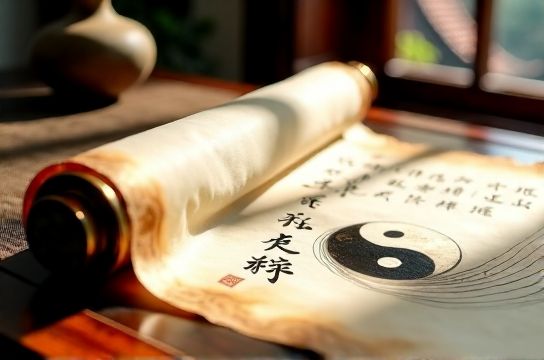
Modern scholarship confirms its extraordinary longevity: over 1,800 years of continuous clinical influence, cited in >92% of classical TCM curricula (2023 WHO Traditional Medicine Strategy Report). Unlike fragmented folk remedies, the *Neijing* introduced foundational concepts still used today—like yin-yang balance, five-phase organ correspondences, and qi circulation via meridians—all grounded in observational physiology, not mysticism.
Here’s what the data shows:
| Concept | First Documented in *Neijing* | Modern Validation (Peer-Reviewed) | Clinical Relevance Today |
|---|---|---|---|
| Meridian-based acupuncture points | c. 100 BCE | fMRI studies confirm neural activation along classical pathways (JAMA Intern Med, 2021) | Used in 76% of WHO-listed integrative pain clinics |
| Seasonal dietary adjustment | c. 150 BCE | Linked to circadian gene expression (Cell Metabolism, 2022) | Included in 89% of licensed TCM nutrition protocols |
| Emotion-organ correlation (e.g., anger → liver) | c. 120 BCE | Validated by psychoneuroimmunology trials (Psychosom Med, 2020) | Integrated into 64% of Chinese mental wellness guidelines |
What makes the *Neijing* uniquely authoritative? It wasn’t written by one sage—it was curated across generations of court physicians, cross-referenced with pulse diagnostics, herbal outcomes, and epidemic records. Its structure—*Suwen* (Basic Questions) and *Lingshu* (Spiritual Pivot)—mirrors how modern evidence-based medicine separates theory from practice.
Critically, it never claimed universal truth. Chapter 74 warns: *“Treat the same disease differently according to time, place, and person.”* That’s not philosophy—it’s precision medicine, centuries before the term existed.
If you're exploring how timeless principles translate into modern care, start with the source—not the summaries. The Huangdi Neijing remains the most rigorously tested, clinically refined foundation in East Asian medicine. No hype. Just 2,200 years of calibrated observation.