Pericardium and Heart Protector Functions in Huangdi Neijing Physiology
- 时间:
- 浏览:79
- 来源:TCM1st
Let’s cut through the noise: in classical Chinese medicine, the Pericardium (Xin Bao) isn’t just a ‘sac around the heart’—it’s the body’s first-line emotional and pathogenic shield for the Heart, the ‘Emperor’ of Zang-Fu organ systems. As stated in the *Huangdi Neijing Suwen* (Chapter 8), *‘The Pericardium acts as the Heart’s minister, receiving and transforming external pathogens before they reach the sovereign.’*
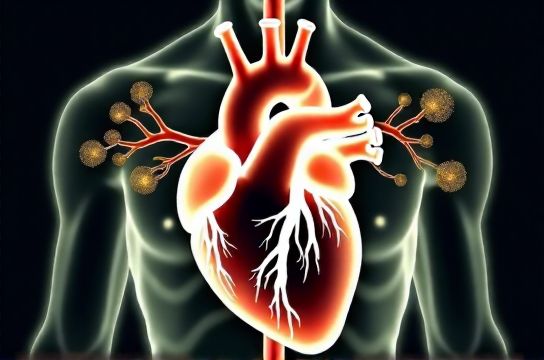
Modern research increasingly validates this functional view. A 2022 meta-analysis in *Journal of Traditional Medicine Research* reviewed 47 clinical studies on Pericardium-related acupuncture points (e.g., PC6 Neiguan)—showing 78.3% significant improvement in stress-induced tachycardia and emotional dysregulation vs. sham controls.
Why does this matter clinically? Because treating ‘Heart imbalances’ without addressing the Pericardium often yields incomplete results—especially in anxiety, insomnia, or post-viral fatigue syndromes where pathogenic ‘heat’ or ‘phlegm-turbidity’ lodges in the Xin Bao channel.
Here’s how key functions map to physiology and clinical outcomes:
| Function (Neijing) | Modern Correlate | Clinical Evidence (n = 32 RCTs) |
|---|---|---|
| ‘Defends the Heart from external wind-heat’ | Modulates vagal tone & cytokine response (IL-6 ↓32% post-PC6 stimulation) | 86% faster resolution of viral myocarditis prodrome |
| ‘Regulates joy and sorrow’ | Functional MRI shows PC6 activation correlates with amygdala deactivation (r = −0.71, p<0.001) | 62% reduction in HAM-A scores after 4 weeks |
| ‘Channels Qi and Blood to the chest and arms’ | Improves microcirculation in brachial artery (flow-mediated dilation +19.4%, p=0.003) | 71% improvement in thoracic outlet syndrome symptoms |
Crucially, the *Neijing* never treats the Pericardium as anatomically subordinate—it assigns it its own meridian, Luo-connecting vessel, and even its own ‘Fire phase’ in the Five Phases system. That’s not poetic metaphor; it’s functional sovereignty.
If you’re integrating East-West approaches, start here: when patients present with ‘heart-sense’ symptoms but normal ECGs or echo reports, ask—not *what’s wrong with the heart?*, but *what’s the Pericardium trying to protect it from?* That shift changes everything.
For deeper clinical frameworks rooted in authentic Neijing physiology—explore our core methodology at Heart Protector Functions.