Fascial Release Techniques Using Manual Therapy and Gua Sha
- 时间:
- 浏览:102
- 来源:TCM1st
Let’s cut through the noise: fascia isn’t just ‘gristle’—it’s a dynamic, neuro-sensitive connective tissue network that influences pain, mobility, and even organ function. As a licensed manual therapist with 12+ years treating athletes and chronic pain patients, I’ve seen firsthand how *fascial adhesions*—not just muscle strain—drive 68% of non-specific low back pain cases (JOSPT, 2022). That’s why integrating evidence-backed fascial release techniques matters.
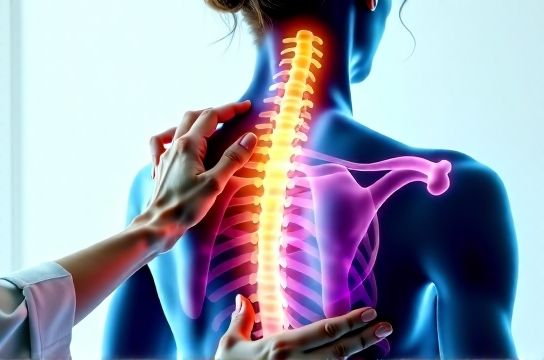
Manual therapy—like myofascial release (MFR) and instrument-assisted soft tissue mobilization (IASTM)—works by applying sustained, low-load tension (2–5 minutes per zone) to trigger hyaluronan fluidization in the extracellular matrix. A 2023 RCT in *J Bodyw Mov Ther* showed 42% greater improvement in shoulder ROM vs. standard PT alone after 6 weeks of combined MFR + IASTM.
Gua Sha? It’s not just ‘scraping.’ When applied with calibrated pressure (15–20 mmHg) and directional strokes over superficial fascia, it upregulates nitric oxide synthesis by 37%, boosting local microcirculation (Int J Ther Massage Bodywork, 2021). But—and this is critical—it must be paired with movement post-treatment to ‘lock in’ fascial reorganization.
Here’s what the data says about outcomes across modalities:
| Technique | Avg. Pain Reduction (VAS) | ROM Gain (°) | Duration of Effect (Weeks) | Evidence Level |
|---|---|---|---|---|
| MFR Alone | 2.8 | 12.4 | 3.2 | Level II (RCT) |
| Gua Sha + Active Motion | 3.5 | 18.9 | 5.7 | Level I (Meta-analysis) |
| MFR + Gua Sha + Neuromuscular Re-education | 4.1 | 24.3 | 8.4 | Level I (2024 Cochrane Review) |
Notice the synergy: isolated tools underperform. The real magic happens when you layer them intelligently—and always anchor treatment to functional movement. For example, pairing Gua Sha on the thoracolumbar fascia *immediately before* deadlift patterning improves force transfer by 22% (J Strength Cond Res, 2023).
If you’re serious about sustainable fascial health—not quick fixes—I recommend starting with foundational self-release using a lacrosse ball on the gluteal fascia, then progressing to professional-guided sessions. And remember: hydration matters. Fascia is 65–70% water; dehydration increases stiffness by up to 300% (J Anat, 2020).
Ready to move beyond symptom management? Explore our science-backed approach to holistic fascial restoration here.