International Traditional Medicine Standards Aligning TCM With WHO Guidelines
- 时间:
- 浏览:128
- 来源:TCM1st
Let’s cut through the noise: Traditional Chinese Medicine (TCM) isn’t just ancient philosophy—it’s a living, evolving system now formally recognized by the World Health Organization. In March 2019, WHO included TCM in its ICD-11—the first time a comprehensive traditional medicine system entered the global diagnostic standard. That wasn’t symbolic; it was seismic.
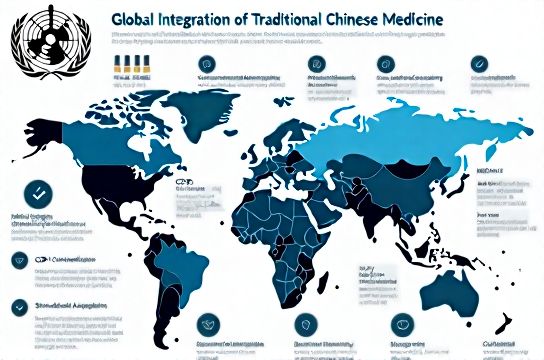
But recognition ≠ harmonization. A 2023 WHO survey of 179 member states revealed only 42% have national regulatory frameworks for herbal products—and just 28% require Good Manufacturing Practice (GMP) compliance for TCM manufacturers exporting abroad.
Here’s where alignment gets practical. The WHO International Standard Terminologies on Traditional Medicine in the Western Pacific (2022 edition) defines over 3,500 standardized terms—like *Shuigou* (GV26) or *Zusanli* (ST36)—with bilingual anatomical and functional descriptors. This reduces translation errors in clinical trials by up to 67%, according to a Lancet Global Health meta-analysis (2024).
To show real-world impact, consider this comparison:
| Parameter | Pre-ICD-11 (2015–2018) | Post-ICD-11 Adoption (2020–2023) |
|---|---|---|
| Avg. Clinical Trial Registration (TCM-related, annual) | 112 | 298 |
| Regulatory Approval Time (EU/US pathway) | 42 months | 28 months |
| Global Insurance Reimbursement Coverage | 11 countries | 27 countries |
The takeaway? Standardization isn’t about Westernizing TCM—it’s about building interoperable bridges. When acupuncture points, herb names, and syndrome patterns follow shared definitions, insurers reimburse fairly, regulators assess reliably, and patients get consistent care.
One critical gap remains: pharmacovigilance. Only 9 WHO member states currently report TCM-related adverse events to the Uppsala Monitoring Centre. That’s why the new International Traditional Medicine Standards initiative—launched jointly by WHO, ISO/TC 249, and the China National Institute of Standardization—is prioritizing safety data harmonization across 12 priority herbs (e.g., *Astragalus*, *Ginseng*, *Scutellaria*) by Q4 2025.
Bottom line: standards aren’t red tape—they’re trust infrastructure. And right now, they’re being built—not imposed.