Safe Medication Use Guidelines for Patients Taking Both Herbal Remedies and Conventional Drugs
- 时间:
- 浏览:127
- 来源:TCM1st
Let’s talk straight: mixing herbal remedies with prescription drugs isn’t ‘natural = safe.’ In fact, nearly 1 in 3 U.S. adults uses herbal supplements — and over 40% of them *don’t tell their doctor* (NIH/NCCIH, 2023). That silence? It’s where dangerous interactions begin.
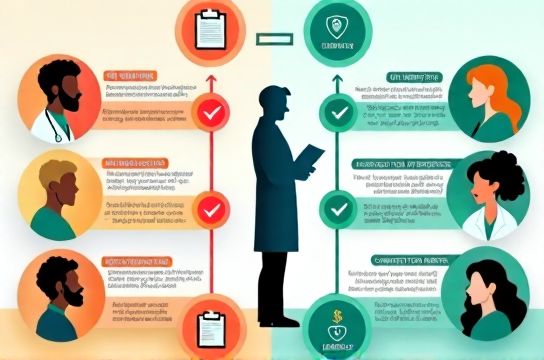
St. John’s wort, for example, slashes blood levels of warfarin, birth control pills, and antidepressants — increasing clot risk or unintended pregnancy. Meanwhile, garlic and ginkgo can amplify bleeding when combined with aspirin or rivaroxaban.
Here’s what the data shows:
| Herb | Common Drug Interaction | Clinical Risk | Evidence Strength* |
|---|---|---|---|
| St. John’s Wort | Simvastatin, cyclosporine, SSRIs | ↓ drug efficacy; serotonin syndrome | ★★★★☆ |
| Ginkgo biloba | Warfarin, clopidogrel | ↑ INR, bruising, hemorrhage | ★★★☆☆ |
| Kava | Benzodiazepines, alcohol | ↑ sedation, liver toxicity | ★★★★☆ |
| Goldenseal (berberine) | Metformin, digoxin | Altered glucose/heart rhythm control | ★★★☆☆ |
*Based on NIH, WHO, and FDA Adverse Event Reporting System (FAERS) consensus (2022–2024)
So — what should you actually *do*? First: always disclose every supplement you take — yes, even that ‘just green tea extract’ capsule. Second: use tools like the University of Maryland’s Herb-Drug Interaction Checker before starting anything new. Third: time matters — sometimes separating doses by 2–4 hours helps (but never substitute timing for professional advice).
A 2023 JAMA Internal Medicine study found patients who shared full supplement lists with pharmacists reduced interaction-related ER visits by 62%. That’s not anecdote — it’s proof.
Bottom line? Integrative care works — *only* when it’s transparent, evidence-informed, and team-based. Your herbal choices matter. Your prescriptions matter more. And your safety? That matters most.