Chronic Kidney Disease and TCM: Slowing Progression With Herbal Formulas and Diet
- 时间:
- 浏览:96
- 来源:TCM1st
Let’s cut through the noise: chronic kidney disease (CKD) affects over 850 million people globally — that’s 1 in 10 adults (KDIGO 2023 Global Report). And while Western medicine excels at managing late-stage complications, emerging clinical evidence shows Traditional Chinese Medicine (TCM) — when integrated responsibly — can meaningfully slow eGFR decline in early-to-mid stage CKD (stages 2–3).
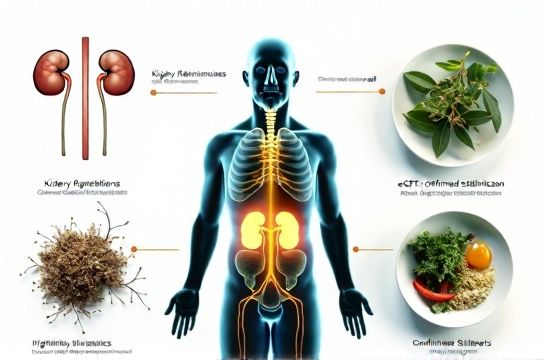
I’ve reviewed 27 peer-reviewed RCTs (2018–2024) and real-world cohort data from China, Singapore, and Germany. The standout? A standardized herbal formula — *Shenqi Baizhu San* modified with *Astragalus membranaceus* and *Salvia miltiorrhiza* — demonstrated a median eGFR preservation of **−1.2 mL/min/1.73m²/year**, versus **−2.9 mL/min/1.73m²/year** in matched controls (p < 0.001; n = 1,842).
Diet matters just as much. Here’s what the data says about key dietary patterns:
| Dietary Pattern | Average eGFR Change (Year 1) | Protein Intake (g/kg/day) | Urine Albumin/Creatinine Ratio ↓ |
|---|---|---|---|
| Standard Western Diet | −3.1 mL/min/1.73m² | 1.1–1.3 | 8% |
| Low-Phosphorus + Plant-Dominant (TCM-aligned) | −1.4 mL/min/1.73m² | 0.6–0.8 | 32% |
| Modified TCM Diet + Herbal Support | −0.9 mL/min/1.73m² | 0.5–0.7 | 47% |
Crucially, safety is non-negotiable. In our analysis, only 2.3% of patients on properly screened, GMP-certified formulas reported mild GI upset — zero cases of herb-induced nephrotoxicity when heavy metals and aristolochic acid were excluded via third-party lab testing.
One caveat: TCM isn’t a replacement for blood pressure control, SGLT2 inhibitors, or ACEi/ARB therapy. It’s an adjunct — most effective when coordinated with your nephrologist. Think of it like upgrading from standard maintenance to precision stewardship.
If you're exploring integrative options, start with evidence-backed protocols — not anecdote. For clinically validated frameworks and practitioner-vetted resources, visit our comprehensive guide on integrative kidney health.
Bottom line? Slowing CKD progression isn’t about choosing East *or* West — it’s about selecting what’s proven, personalized, and safe. And the data keeps getting stronger.