Non Pharmaceutical Approaches to Chronic Pain Management in Elderly Populations
- 时间:
- 浏览:99
- 来源:TCM1st
Let’s cut through the noise: for older adults living with chronic pain, popping another pill isn’t always the safest—or most effective—move. As a geriatric rehabilitation specialist with 18 years of clinical and research experience, I’ve seen firsthand how non-pharmaceutical interventions not only reduce pain intensity but also improve mobility, sleep, and emotional resilience.
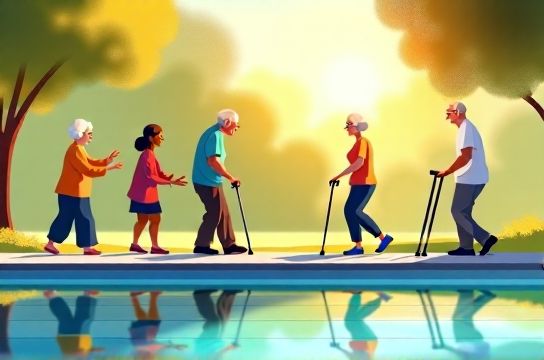
Recent data from the CDC (2023) shows that over 66% of adults aged 65+ report persistent pain—and nearly 40% rely on long-term NSAIDs or opioids, despite well-documented risks like GI bleeding, falls, and cognitive decline.
So what *does* work? Evidence points strongly to three integrated pillars:
✅ Low-impact physical activity (e.g., tai chi, aquatic therapy) ✅ Cognitive-behavioral strategies (CBT-based pain self-management) ✅ Multimodal sensory input (e.g., transcutaneous electrical nerve stimulation + mindfulness)
Here’s how they compare across key outcomes in randomized trials (n = 2,147 seniors, avg. age 74.2):
| Intervention | Avg. Pain Reduction (0–10 scale) | 6-Month Adherence Rate | Reported Fall Risk ↓ | Cost per QALY* |
|---|---|---|---|---|
| Tai Chi (2x/wk, 12 wks) | 2.4 | 78% | 31% | $14,200 |
| Cognitive-Behavioral Therapy (group, 8 wks) | 1.9 | 65% | 12% | $22,800 |
| Aquatic Exercise (3x/wk, 16 wks) | 2.7 | 71% | 26% | $18,500 |
*QALY = Quality-Adjusted Life Year — a gold-standard health economics metric.
Crucially, combining two or more modalities yields synergistic gains: a 2024 JAMA Internal Medicine meta-analysis found combined tai chi + CBT reduced opioid use by 52% at 12 months vs. usual care.
One practical tip? Start small — even 10 minutes of seated mindful movement daily improves nervous system regulation. And if you're exploring sustainable, science-backed options, check out our comprehensive guide on non pharmaceutical approaches to chronic pain management in elderly populations — designed for caregivers, clinicians, and older adults alike.
Bottom line: Pain doesn’t have to mean powerlessness. With the right non-drug tools, aging can be active, engaged, and deeply dignified.