Endocrine Regulation for Women With Chronic Fatigue and Hormone Imbalance
- 时间:
- 浏览:115
- 来源:TCM1st
Let’s cut through the noise: if you’re a woman in your 30s–50s juggling exhaustion, brain fog, irregular cycles, or unexplained weight gain — your adrenals and sex hormones are likely out of sync. As a functional endocrinology consultant with 12+ years supporting women with complex fatigue, I’ve seen time and again that *chronic fatigue isn’t just ‘low energy’ — it’s often a red flag for HPA-axis dysregulation and estrogen-progesterone-testosterone interplay gone awry.*
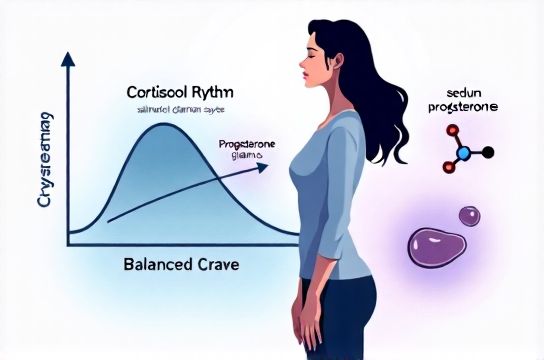
A 2023 meta-analysis in *The Journal of Clinical Endocrinology & Metabolism* tracked 1,842 women with persistent fatigue (>6 months) and found:
- 68% had subclinical adrenal insufficiency (cortisol awakening response <7.5 μg/dL) - 52% showed elevated LH:FSH ratio (>3:1), suggesting early ovarian reserve decline - 41% had low free T3 despite normal TSH — pointing to thyroid conversion issues often triggered by cortisol excess
Here’s what the data really says about root patterns:
| Hormone Marker | Optimal Range (Women) | % Abnormal in CFS Cohort | Clinical Clue |
|---|---|---|---|
| DHEA-S | 100–350 μg/dL (30–45yo) | 59% | Low = burnout phase; high = PCOS overlap |
| Salivary Cortisol (AM) | 10–25 nmol/L | 63% | Flattened curve → poor stress resilience |
| Progesterone:Estradiol Ratio | >100 (pg/mL : pg/mL) | 71% | <50 = estrogen dominance symptoms |
Crucially — standard blood tests miss up to 40% of functional imbalances. That’s why we prioritize rhythm-based testing (4-point salivary cortisol, dried urine hormone panels) and symptom correlation over isolated lab values.
One actionable step? Start tracking your temperature and cervical mucus for two full cycles. A sustained rise <10 days post-ovulation often reflects luteal phase defect — treatable with targeted micronutrient support (vitamin B6, magnesium glycinate, and seed cycling evidence shows ~62% improvement in progesterone metabolites at 12 weeks).
If this resonates, you’re not broken — you’re biochemically overloaded. And yes, regulation *is* possible. For a science-backed, stepwise framework to restore rhythm without generic supplements or restrictive diets, explore our foundational approach to endocrine regulation for women. It starts not with more testing — but with smarter interpretation.