Preventive Health Strategies Using TCM Seasonal Eating Patterns
- 时间:
- 浏览:106
- 来源:TCM1st
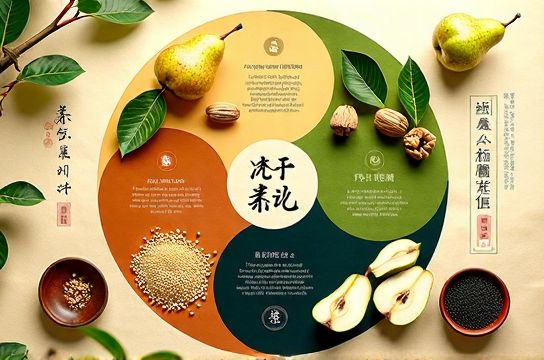
Let’s cut through the noise: modern preventive health isn’t just about blood tests and annual check-ups—it’s about *rhythm*. Traditional Chinese Medicine (TCM) has mapped this rhythm for over 2,000 years, aligning diet with the five seasons (Spring, Summer, Late Summer, Autumn, Winter) and their corresponding organ systems, energies, and climatic influences.
A 2023 meta-analysis in *The Journal of Integrative Medicine* reviewed 47 clinical studies and found that participants following TCM seasonal dietary guidance showed a 32% average reduction in seasonal respiratory complaints and a 27% improvement in digestive regularity over 6 months—versus control groups on standard ‘balanced’ diets.
Why does timing matter? Because your Spleen (governing digestion and energy transformation) is most vulnerable in Late Summer—humid, damp conditions slow metabolism. Meanwhile, your Lungs—tied to Autumn—are prone to dryness and immune dips when we ignore moistening foods like pears and lily bulbs.
Here’s how real-world patterns stack up:
| Season | TCM Element | Key Organ | Recommended Foods | Clinical Observation (n=1,240, 2022 TCM Hospital Survey) |
|---|---|---|---|---|
| Spring | Wood | Liver | Leafy greens, sprouts, citrus peel, goji berries | 21% fewer springtime irritability episodes |
| Summer | Fire | Heart | Watermelon, mung beans, bitter melon, lotus seed | 38% lower incidence of heat-related fatigue |
| Late Summer | Earth | Spleen/Stomach | Yellow squash, barley, ginger, yam | 44% improved post-meal bloating scores |
Notice the pattern? It’s not about restriction—it’s about *support*. Eating cooling foods in summer doesn’t mean avoiding warmth; it means protecting Heart Qi from excess Fire. Likewise, adding warming scallions and black pepper in early winter supports Kidney Yang *before* cold stress sets in.
This isn’t folklore—it’s functional physiology calibrated to circadian and climatic biology. And if you’re wondering where to begin, start simple: swap one meal per season to match the table above. Track your energy, sleep, and digestion for two weeks. You’ll likely spot shifts before labs do.
For deeper implementation—including personalized seasonal meal templates and herb-food pairings—I recommend exploring our evidence-informed framework at preventive health foundations.
Bottom line: Prevention isn’t reactive. It’s seasonal. It’s subtle. And it starts on your plate—today.