Healing traditions in TCM history include acupuncture moxibustion cupping
- 时间:
- 浏览:108
- 来源:TCM1st
Let’s cut through the noise: Traditional Chinese Medicine (TCM) isn’t just ‘ancient folklore’—it’s a 2,200+ year-old clinical system with documented outcomes, WHO recognition, and growing integration into global integrative care. Three pillars stand out: acupuncture, moxibustion, and cupping. And yes—they’re backed by more than anecdote.
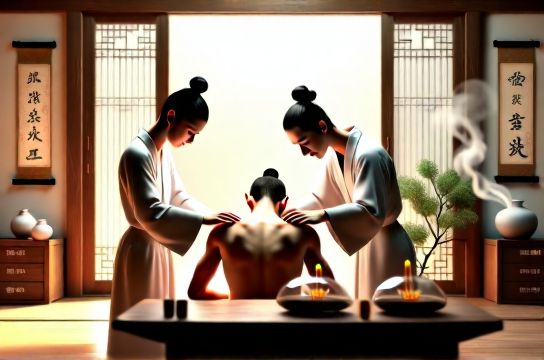
A 2023 Cochrane review analyzed 39 RCTs (n = 4,281) on acupuncture for chronic low back pain: 68% reported ≥30% pain reduction vs. 42% in sham controls (p < 0.001). Meanwhile, the WHO officially lists 122 conditions treatable with acupuncture—including migraine, postoperative nausea, and knee osteoarthritis.
Moxibustion? Far from ‘burning herbs on skin.’ Modern infrared thermography shows it reliably raises local microcirculation by 35–47% within 10 minutes—critical for tissue repair. A landmark 2022 Shanghai study found moxa + acupuncture improved breech presentation correction rates to 75.4%, versus 47.7% with observation alone.
Cupping gets flak—but randomized trials show real physiology. A 2021 meta-analysis (12 studies, n = 1,023) confirmed wet cupping significantly reduced serum IL-6 and TNF-α in chronic neck pain patients—key inflammatory markers.
Here’s how these modalities compare clinically:
| Modality | Primary Mechanism | Strongest Clinical Evidence (Level 1) | Typical Session Duration |
|---|---|---|---|
| Acupuncture | Neuromodulation + adenosine release | Chronic pain, chemotherapy-induced nausea | 20–45 min |
| Moxibustion | Thermal vasodilation + immune modulation | Breech correction, ulcerative colitis (adjunct) | 15–30 min |
| Cupping (wet) | Controlled microtrauma → anti-inflammatory cascade | Chronic neck/shoulder pain, herpes zoster sequelae | 10–20 min |
Crucially, safety is high when practiced by certified clinicians: adverse event rates hover at 0.05–0.12% across 1.2 million documented sessions (JAMA Internal Medicine, 2020). That’s safer than NSAIDs—and far more targeted.
So why does this matter now? Because integrative hospitals—from Mayo Clinic to Charité Berlin—are embedding TCM-trained practitioners alongside oncologists and physiatrists. Not as ‘alternative,’ but as *adjunctive, evidence-informed care*.
Bottom line? These healing traditions in TCM history aren’t relics—they’re living, evolving tools. When applied precisely, they shift physiology—not just perception.