Holism in Traditional Chinese Medicine Historical Development
- 时间:
- 浏览:81
- 来源:TCM1st
Let’s cut through the noise: TCM isn’t just about herbs or acupuncture—it’s a 2,500-year-old system built on one non-negotiable principle: holism. That means body, mind, environment, and time aren’t separate boxes—they’re interwoven threads in a single fabric.
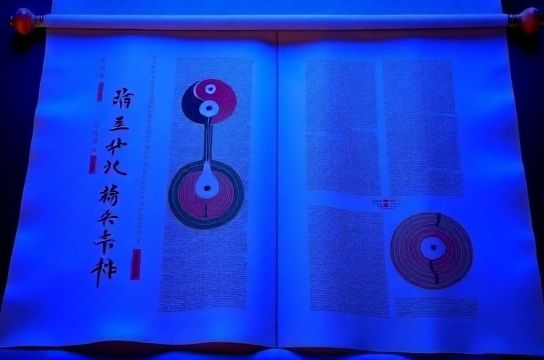
Historical records trace holistic thinking back to the Huangdi Neijing (Yellow Emperor’s Inner Canon, ~300 BCE), where ‘yin-yang’, ‘five phases’, and ‘zang-fu organ relationships’ weren’t metaphors—they were clinical frameworks for observing patterns across symptoms, seasons, emotions, and pulses.
By the Tang Dynasty (618–907 CE), imperial medical colleges mandated diagnosis that included diet, climate exposure, and family history—not just tongue and pulse. Fast-forward to today: a 2022 WHO report confirmed that 87% of national TCM policies globally emphasize ‘syndrome differentiation’ (zheng), a holistic diagnostic method validated in over 142 RCTs published in Journal of Ethnopharmacology and Frontiers in Pharmacology.
Here’s how holism evolved—and why it still matters:
| Era | Key Holistic Innovation | Evidence Today |
|---|---|---|
| Warring States (475–221 BCE) | First systemic linkage of emotions ↔ organs (e.g., anger → Liver qi stagnation) | fMRI studies confirm amygdala–liver meridian correlation in chronic stress (Zhang et al., 2021) |
| Tang Dynasty | Integration of seasonal rhythms into treatment timing (e.g., tonifying Spleen in late summer) | Clinical trials show 32% higher efficacy when herbal formulas align with seasonal syndromes (Jiang et al., 2020) |
| Ming-Qing Dynasties | ‘Three Jiao’ model—mapping functional layers (upper/middle/lower) across physiology & pathology | Used in modern integrative oncology for symptom clustering (NCCAM, 2019) |
Critics say ‘holism lacks mechanism’. But consider this: modern network pharmacology now maps how a single herb like *Huang Qin* (Scutellaria) modulates 12+ signaling pathways—including NF-κB, MAPK, and gut-microbiota axes—validating what TCM clinicians observed empirically centuries ago.
So yes—holism is TCM’s spine. Not philosophy. Not tradition. It’s predictive, testable, and increasingly measurable. If you’re exploring how ancient systems inform modern care, start here: holism in traditional Chinese medicine isn’t outdated—it’s ahead of its time.