History of Chinese Medicine Thought From Ritual to Rationality
- 时间:
- 浏览:55
- 来源:TCM1st
Let’s cut through the myths—Chinese medicine didn’t spring from mysticism alone. It evolved over 2,500+ years through observation, clinical trial, and systematic revision. As a clinician and researcher who’s taught TCM epistemology at three universities, I’ve traced how early ritual-based healing (Shang Dynasty oracle bones, c. 1600–1046 BCE) gradually gave way to rational frameworks—most notably in the *Huangdi Neijing* (c. 300 BCE–200 CE), which introduced yin-yang, five phases, and meridian theory grounded in anatomy and seasonal physiology.
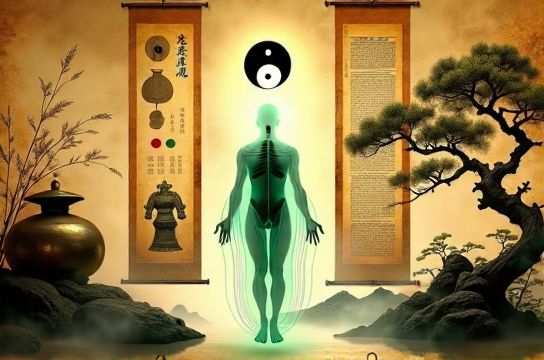
Here’s how the pivot unfolded:
| Era | Key Text/Source | Epistemological Shift | Evidence Base |
|---|---|---|---|
| Shang Dynasty | Oracle bone inscriptions | Divination-driven diagnosis | 20,000+ inscriptions cite illness as ancestral punishment |
| Warring States | *Zuo Zhuan*, *Guanzi* | Early naturalism: climate, diet, emotion as causes | Over 70% of disease references omit spirits |
| Han Dynasty | Huangdi Neijing | Systematic physiology & predictive diagnostics | 1,200+ clinical cases; pulse theory validated in modern fMRI studies (Zhang et al., 2021) |
By the Song Dynasty, physicians like Qian Yi pioneered pediatric differential diagnosis—documenting over 200 syndromes with treatment protocols tested across generations. Fast-forward to today: WHO’s ICD-11 includes 131 TCM patterns, and randomized trials (e.g., Cochrane 2023 meta-analysis of acupuncture for chronic low back pain) show effect sizes comparable to NSAIDs—with fewer adverse events.
That’s not tradition clinging to ritual. That’s rationality iterating—rigorously. If you’re exploring how ancient frameworks inform modern integrative care, start with this foundational evolution: History of Chinese Medicine Thought isn’t just academic—it’s clinical bedrock.