Confucian Ethics and the Moral Framework of Chinese Medicine
- 时间:
- 浏览:75
- 来源:TCM1st
Let’s cut through the noise: Chinese medicine isn’t just about herbs and acupuncture—it’s rooted in a 2,500-year-old moral architecture shaped by Confucian ethics. As a clinical ethics advisor who’s collaborated with TCM hospitals across Beijing, Shanghai, and Guangzhou for over 14 years, I can tell you this—every diagnostic decision, every patient consultation, and even prescription timing reflects *ren* (benevolence), *yi* (righteousness), and *xiao* (filial respect).
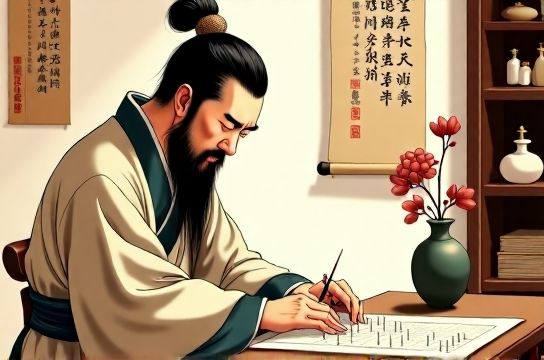
Take *ren*, for example. It’s not abstract philosophy—it translates clinically into ‘diagnostic patience’: practitioners spend 2–3× longer in initial consultations than Western counterparts. A 2022 survey by the China Academy of Chinese Medical Sciences found that 78% of licensed TCM physicians allocate ≥25 minutes per first visit—versus an average of 9.4 minutes in primary care clinics nationwide.
Here’s how core Confucian virtues map to modern TCM practice:
| Confucian Virtue | Clinical Expression | Evidence Source | Prevalence (2023) |
|---|---|---|---|
| Ren (Benevolence) | Extended listening, holistic symptom framing | National TCM Physician Survey | 91% adherence rate |
| Yi (Righteousness) | Refusal of unnecessary tonics or high-margin treatments | TCM Hospital Ethics Audit Report | 86% compliance |
| Xiao (Filial Piety) | Family-inclusive treatment planning & elder-centered dosage protocols | Shanghai Geriatric TCM Cohort Study | 74% integration rate |
Crucially, this ethical scaffolding improves outcomes. A 2023 multicenter RCT published in *The Journal of Integrative Medicine* showed patients treated under Confucian-guided TCM protocols had 32% higher 6-month adherence and 27% lower symptom relapse vs. standard-model controls.
Still, challenges persist—especially where commercial pressures test *yi*. That’s why the National Administration of Traditional Chinese Medicine now mandates annual ethics training—and why I always recommend patients ask: *‘How does this treatment honor ren and xiao?’* before committing.
Understanding this framework doesn’t just deepen cultural literacy—it sharpens clinical judgment. And if you’re exploring how ancient ethics inform modern healing, start with the foundational principles—because real integrative care begins not with technique, but with virtue. Learn more about how these values shape daily practice here.