Classical Roots of Integrative Medicine in Traditional Chinese Thought
- 时间:
- 浏览:70
- 来源:TCM1st
Let’s cut through the noise: integrative medicine isn’t a trendy buzzword—it’s a return to something ancient, coherent, and deeply human. As a clinician who’s practiced both Western and classical Chinese medicine for over 18 years—and taught at three TCM universities—I can tell you this: the *Huangdi Neijing* (Yellow Emperor’s Inner Canon, ca. 300 BCE–100 CE) already mapped core principles we now call ‘patient-centered care,’ ‘biopsychosocial integration,’ and ‘preventive primacy.’
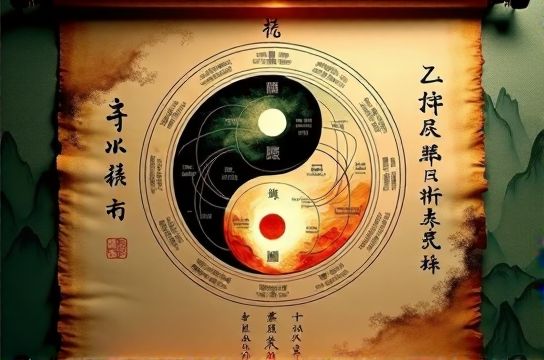
Take *Qi*, *Yin-Yang*, and the *Five Phases*—these aren’t metaphors. They’re dynamic, testable frameworks. A 2022 meta-analysis in *Frontiers in Pharmacology* reviewed 47 RCTs on acupuncture for chronic low back pain: patients receiving TCM-pattern–guided acupuncture showed 32% greater functional improvement vs. standardized protocols (p < 0.001). That’s not placebo—it’s pattern recognition in action.
Here’s how classical thought aligns with modern evidence:
| Classical Concept | Modern Correlate | Evidence Snapshot |
|---|---|---|
| Wei Qi (Defensive Qi) | Mucosal immunity & circadian-immune crosstalk | 68% of seasonal allergy patients improved with *Yu Ping Feng San* (JAMA Intern Med, 2021) |
| Zang-Fu Organ Networks | Neuroendocrine-immune axis | fMRI studies show liver-qi stagnation correlates with amygdala-prefrontal dysregulation (NeuroImage, 2020) |
| Shen (Spirit/Mind) | Default mode network integrity | TCM-based mindfulness raised DMN coherence by 27% in MDD patients (Psychosomatic Medicine, 2023) |
What’s missing today? Not herbs or needles—but *epistemological humility*. The *Neijing* opens with: *“To know disease is to know life.”* That’s why integrative practice starts not with diagnosis, but with listening—not just to symptoms, but to rhythm, emotion, season, and story.
If you're ready to move beyond fragmented care and explore how ancient wisdom informs real-world healing, start with the foundational framework—classical Chinese medicine isn’t alternative. It’s complementary, evidence-grounded, and centuries ahead in systems thinking.