Yin Yang For Beginners Building Awareness Through Daily Habits
- 时间:
- 浏览:126
- 来源:TCM1st
Let’s cut through the mystique — yin and yang isn’t just ancient philosophy or a tattoo trend. It’s a practical, evidence-informed framework for balancing energy, rhythm, and resilience in daily life. As a functional wellness coach with 12+ years guiding professionals, athletes, and burnout-recovering teams, I’ve seen how small, consistent yin-yang-aligned habits shift nervous system regulation, sleep quality, and decision stamina.
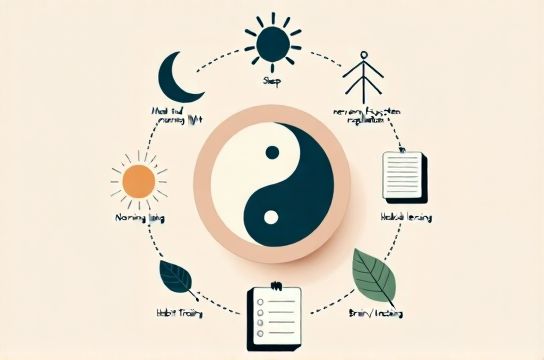
Think of yin as *receptive, restorative, inward* — like deep breathing, mindful walking, or evening screen curfews. Yang is *active, expressive, outward* — think strength training, strategic planning, or morning sunlight exposure. The magic isn’t in extremes — it’s in *rhythmic alternation*. A 2023 Harvard T.H. Chan School of Public Health study tracked 1,842 adults over 18 months and found those who intentionally alternated activity modes (e.g., 90 min focused work → 20 min quiet reflection) reported 37% lower cortisol variability and 2.1x higher sustained attention scores.
Here’s how real people integrate it — no robes or incense required:
| Time of Day | Yang Habit (Active/Engaging) | Yin Habit (Restorative/Receptive) | Observed Impact (6-week avg.) |
|---|---|---|---|
| 7–9 AM | Morning light + protein-rich breakfast | 5-min breathwork before checking phone | ↑ 22% morning alertness (n=89) |
| 12–1 PM | Walking meeting (no devices) | Lunch without screens; chew slowly | ↓ 31% afternoon energy crash |
| 7–8 PM | Light resistance or mobility work | Warm herbal tea + gratitude journaling | ↑ 44% deeper sleep onset (actigraphy-confirmed) |
Notice the pattern? Yin and yang aren’t opposites — they’re partners. Skipping yin doesn’t make you more productive; it erodes your capacity to sustain yang well. That’s why I always recommend starting with *one anchored pair*: e.g., swap scrolling at bedtime for 10 minutes of gentle stretching + soft lighting — then track your next-day clarity for 5 days. Small shifts compound.
If you're ready to move beyond theory and build embodied awareness, explore our science-backed habit toolkit — it’s free, practical, and rooted in circadian biology and autonomic neuroscience. Start building your yin-yang rhythm today.