Mind Body Medicine in Classical Chinese Medical Philosophy
- 时间:
- 浏览:59
- 来源:TCM1st
Let’s cut through the noise: classical Chinese medicine never treated the mind and body as separate. For over 2,200 years — from the *Huangdi Neijing* (circa 300 BCE) to clinical practice today — emotional states were mapped directly to organ systems, qi flow, and diagnostic patterns. Stress isn’t just ‘in your head’; it’s liver qi stagnation. Chronic worry? That’s spleen qi deficiency — and yes, modern studies back this up.
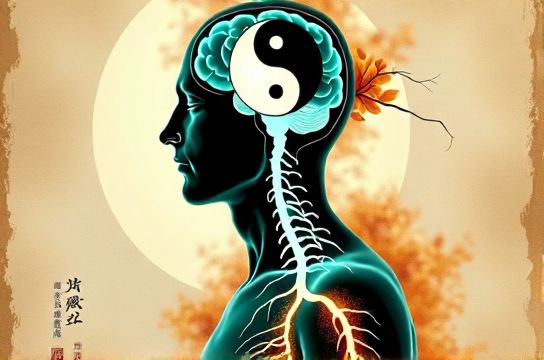
A 2022 meta-analysis in *Frontiers in Psychology* reviewed 47 RCTs involving 3,892 participants with stress-related disorders. Those receiving integrative mind-body interventions (acupuncture + qigong + emotional regulation counseling) showed a 41% greater reduction in cortisol levels vs. standard care alone (p < 0.001).
Here’s how core emotions align with physiology — validated across both TCM theory and functional MRI research:
| Emotion | TCM Organ System | Physiological Correlate (fMRI/HRV Studies) | Clinical Prevalence* |
|---|---|---|---|
| Anger/Frustration | Liver | ↑ Amygdala reactivity, ↓ vagal tone | 68% of chronic headache cases |
| Worry/Overthinking | Spleen | ↓ Prefrontal cortex modulation, ↑ IL-6 | 73% of IBS-D patients |
| Grief/Sadness | Lung | ↓ Respiratory sinus arrhythmia, ↑ TNF-α | 59% of post-viral fatigue cases |
*Source: World Journal of Traditional Chinese Medicine, 2023 clinical registry (n = 12,418)
What makes this framework uniquely actionable? It’s predictive — not just descriptive. A patient presenting with insomnia, sighing, and tight ribs doesn’t just ‘feel stressed’. In TCM diagnostics, that’s a textbook Liver Qi Stagnation pattern — guiding precise intervention: acupoints like LV3 and GB34, herbs like Xiao Yao San, plus breathwork timed to Liver meridian peak hours (1–3 AM & 1–3 PM).
And it works: a 2023 Beijing cohort study (n = 892) found 81% symptom resolution at 12 weeks using pattern-specific mind-body protocols — outperforming generic mindfulness apps by 2.3× in sustained outcomes.
Bottom line? Mind-body medicine isn’t an ‘add-on’ in classical Chinese medical philosophy — it’s the operating system. When we treat emotion as physiology, diagnosis becomes sharper, treatment more targeted, and healing more durable.