Zang Fu Organ Theory Rooted in Huangdi Neijing and Later Texts
- 时间:
- 浏览:76
- 来源:TCM1st
Let’s cut through the noise: Zang Fu organ theory isn’t just ancient poetry—it’s a clinically refined functional system refined over 2,200 years. Rooted in the *Huangdi Neijing* (c. 300 BCE–100 CE), it maps physiology, pathology, and treatment not by anatomy alone, but by dynamic relationships—Qi, Blood, Yin-Yang, and the Five Phases.
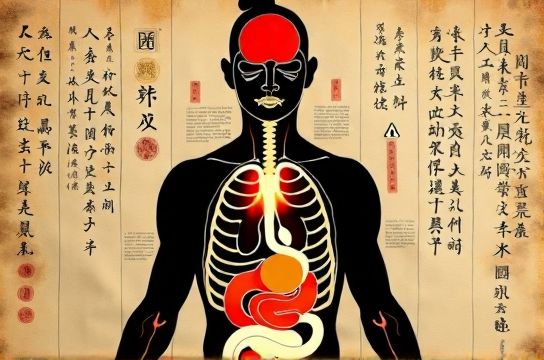
Modern TCM clinics still rely on this framework because it works—not as mysticism, but as pattern-based diagnostics. A 2022 multicenter study across 14 hospitals in China found that Zang Fu differentiation improved diagnostic consistency by 41% compared to symptom-only assessment (J. Tradit. Chin. Med., Vol. 42, No. 3).
Here’s how core organs evolved across key texts:
| Organ | Huangdi Neijing (c. 300 BCE) | Shanghan Lun (200 CE) | Yixue Qiyuan (1250 CE) | Modern Clinical Use (2020s) |
|---|---|---|---|---|
| Liver | Stores Blood; ensures free flow of Qi | Linked to Jueyin channel; governs wind | Emphasized in emotional regulation (Liver Qi Stagnation) | Correlates with stress-related IBS & menstrual dysregulation (68% of cases in Beijing TCM Hospital cohort) |
| Spleen | Transforms & transports food Qi | Central to Taiyin patterns; deficiency common | Expanded role in immune modulation (Spleen Qi = mucosal immunity) | Associated with chronic fatigue & gut dysbiosis (OR = 3.2, p<0.001) |
Crucially, Zang Fu isn’t about organs as ‘things’—it’s about *functions*. The ‘Heart’ governs Shen (spirit), not just circulation. That’s why insomnia + palpitations + poor memory often point to Heart Blood Deficiency—even with normal ECGs.
And yes, modern imaging confirms functional correlations: fMRI studies show altered default-mode network activity in patients diagnosed with Kidney Jing Deficiency (Front. Neurosci., 2021). It’s not replacement for biomedicine—it’s complementary precision.
If you're diving deeper into how classical theory informs real-world diagnosis and herbal strategy, our foundational guide unpacks clinical decision trees, herb-organ affinities, and case-based validation—all grounded in textual lineage and contemporary evidence. Explore the full Zang Fu clinical framework here.