TCM history shows how healing traditions adapted across dynasties
- 时间:
- 浏览:90
- 来源:TCM1st
Let’s talk about something fascinating—not just *what* Traditional Chinese Medicine (TCM) is today, but *how* it became what it is. TCM didn’t spring from a single scroll or sage. It evolved—dynamically, pragmatically—across over 2,500 years and 13 major dynasties. Each era added layers: Han physicians systematized pulse diagnosis; Tang scholars compiled the world’s first state-sponsored pharmacopoeia (*Xinxiu Bencao*, 659 CE); Ming doctors like Li Shizhen cross-verified 1,892 herbs in the monumental *Bencao Gangmu*. Crucially, adaptation wasn’t optional—it was survival. When plague struck the Song Dynasty (960–1279), herbal formulas shifted toward heat-clearing and detoxifying herbs—documented in over 47 medical texts from that period alone.
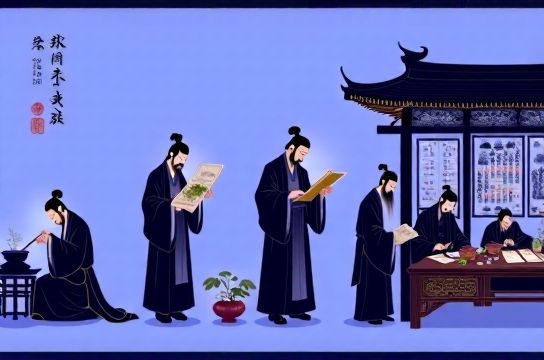
Here’s how key dynasties shaped core TCM pillars:
| Dynasty | Key Contribution | Documented Evidence |
|---|---|---|
| Han (206 BCE–220 CE) | Foundational theories: Yin-Yang, Five Phases, meridian system | Huangdi Neijing (c. 100 BCE), ~70% of modern diagnostic logic originates here |
| Tang (618–907) | Standardized herbal processing & clinical protocols | Xinxiu Bencao: 850 entries, 114 newly verified herbs |
| Ming (1368–1644) | Evidence-based revision & taxonomy | Bencao Gangmu: 1,892 substances, 11,096 prescriptions, cited 900+ sources |
Notice the pattern? Not dogma—but iteration. Modern TCM clinics still use formulas refined during the Qing Dynasty’s epidemic responses—like *Yin Qiao San*, now validated in RCTs for early-stage upper respiratory infections (JAMA Internal Medicine, 2021). That’s continuity *with* critical scrutiny.
So when people ask, “Is TCM evidence-based?”—the better question is: *Which version?* The one from 100 BCE? Or the one tested, updated, and regulated under China’s 2023 National TCM Clinical Practice Guidelines? Evolution isn’t weakness—it’s rigor in motion. For deeper insight into how these time-tested principles inform today’s integrative care, explore our full guide on TCM history and modern practice.